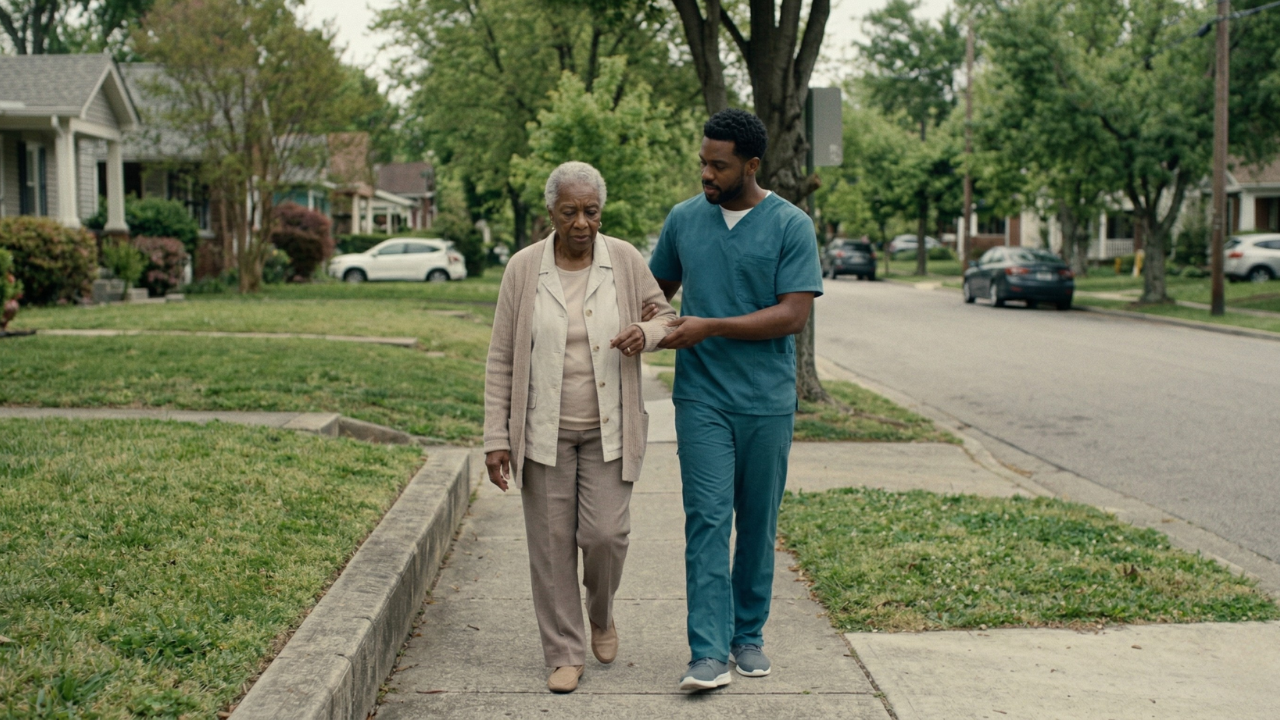
Hospice Social Worker Jobs: Support, Advocacy, and Meaningful Care

Hospice social worker jobs are centered on support, advocacy, communication, and care that honors the whole person. In hospice care, social workers help patients and loved ones navigate the emotional, practical, and psychosocial challenges that can come with serious illness.
For social workers who feel called to meaningful care, hospice can be a powerful career path. The role requires compassion, professionalism, strong communication, emotional awareness, problem-solving, and the ability to support people during a deeply personal stage of life.
Hospice social workers work as part of an interdisciplinary care team. They help patients and loved ones process change, understand resources, communicate goals, plan for care needs, and feel less alone during a difficult time.
This article explains what hospice social workers do, what skills are helpful, what makes hospice social work different, and why many professionals find this career path meaningful.
This article is for general educational and career information only. Job responsibilities, qualifications, schedules, benefits, licensure requirements, and available positions may vary by location, role, state requirements, and current hiring needs. Please review each open position carefully and speak with the hiring team for role specific details.
What Is a Hospice Social Worker?
A hospice social worker is a trained professional who supports patients and loved ones through the emotional, social, practical, and care planning needs that may come with a serious illness.
Hospice care focuses on comfort, dignity, and quality of life. Within that model, the social worker helps address needs that go beyond physical symptoms. A patient may be worried about their loved ones. A caregiver may be overwhelmed. A family may need help understanding resources, communicating wishes, or preparing for changes ahead.
The hospice social worker helps create space for those conversations. They listen, assess needs, provide support, connect people with resources, and collaborate with the hospice team to help ensure the care plan reflects the patient’s goals and values.
In hospice, social work is not an extra service. It is an important part of whole-person care.
What Do Hospice Social Workers Do?
Hospice social workers support patients and loved ones through emotional support, psychosocial assessment, care planning, resource coordination, advocacy, and communication with the interdisciplinary team.
A hospice social worker may help patients and loved ones talk through fears, grief, family stress, caregiver strain, financial or practical concerns, advance care planning questions, changes in independence, or difficult decisions about care goals.
The social worker may also help connect loved ones with community resources, counseling options, support services, facility or care setting information, transportation resources, advance directive education, or other practical supports depending on the patient’s needs and the scope of the role.
Hospice social workers often help families communicate. Serious illness can bring emotional pressure, uncertainty, and different opinions among loved ones. A social worker can help support respectful conversations and keep the patient’s wishes and dignity at the center of care.
Why Are Social Workers Important in Hospice Care?
Serious illness affects more than the body. It can affect relationships, finances, emotions, spiritual questions, family roles, caregiving responsibilities, living arrangements, and the way people think about the future.
Hospice social workers help patients and loved ones navigate those layers of care. They understand that emotional stress, practical barriers, and family concerns can affect quality of life.
For patients, a social worker may provide a safe place to talk about fears, goals, unfinished concerns, or what matters most. For loved ones, a social worker may offer guidance, reassurance, and help understanding what support is available.
This role matters because hospice care is not only about managing symptoms. It is also about helping people feel supported, heard, and respected.
What Makes Hospice Social Work Different?
Hospice social work is different because the work happens during a sensitive and meaningful stage of life. The focus is not only on solving immediate problems. It is also on supporting dignity, comfort, communication, and quality of life.
Hospice social workers may meet patients and loved ones in private homes, assisted living communities, memory care communities, skilled nursing facilities, or other care settings. They may support people who are experiencing grief before death, caregiver exhaustion, complicated family dynamics, uncertainty about the future, or fear about what comes next.
The work requires professional skill, but it also requires presence. A hospice social worker may sit with a caregiver who feels overwhelmed, help a patient express their wishes, connect a family with resources, or support a team conversation about the best way to honor the patient’s goals.
For many social workers, hospice offers a career path where advocacy, compassion, and meaningful human connection are part of the daily work.
What Skills Are Important for Hospice Social Worker Jobs?
Hospice social worker jobs require a combination of clinical, communication, advocacy, and care coordination skills. Because hospice care often happens in home and community settings, social workers also need flexibility, professionalism, and the ability to collaborate with a team.
Helpful skills for hospice social worker roles may include:
- Compassionate listening and emotional support
- Psychosocial assessment skills
- Care planning and goal-centered communication
- Patient and family advocacy
- Knowledge of community resources
- Support with advance care planning conversations
- Understanding of grief, loss, and caregiver stress
- Professional boundaries and ethical decision-making
- Collaboration with nurses, physicians, aides, chaplains, and other team members
- Clear documentation and organization
Strong hospice social workers are able to listen without rushing, communicate clearly, respect different beliefs and family systems, and help patients and loved ones feel supported during complex moments.
Is Hospice Social Work Emotionally Difficult?
Hospice social work can be emotionally meaningful and emotionally challenging. Social workers support people during illness, decline, grief, uncertainty, and transition. That kind of work can carry emotional weight.
At the same time, many hospice social workers find the work deeply purposeful. They have the opportunity to help patients feel heard, help loved ones feel supported, and help families make decisions with more clarity and compassion.
Emotional strength in hospice social work does not mean being unaffected. It means practicing with empathy, professional boundaries, team support, and self-awareness.
For social workers who value relationship-based care, advocacy, and meaningful support, hospice can be a powerful place to serve.
What Is a Typical Day Like for a Hospice Social Worker?
A typical day for a hospice social worker may vary depending on the care setting, patient needs, schedule, location, and current caseload. The day may include patient visits, family conversations, interdisciplinary team meetings, resource coordination, documentation, and communication with nurses, physicians, chaplains, aides, or facility staff.
During a visit, the social worker may assess emotional and practical needs, talk with the patient or loved ones, discuss goals of care, provide caregiver support, help with advance care planning questions, or connect the family with resources.
Some visits may be calm and reflective. Others may involve urgent family stress, complicated decision-making, or grief. Hospice social workers need to adapt to the needs of each patient and loved one while staying grounded in the care plan and team communication.
No two days are exactly the same. The work requires flexibility, empathy, organization, and a steady commitment to patient dignity.
Do Hospice Social Workers Visit Patients at Home?
Many hospice social workers provide support wherever the patient calls home. This may include a private residence, assisted living community, memory care community, skilled nursing facility, or another care setting.
Working in a home or community setting requires sensitivity and professionalism. The social worker is often entering a personal space during an emotional season. Respect, patience, and clear communication matter.
In some cases, loved ones may be present and involved in the visit. In other cases, the social worker may coordinate with facility staff, care teams, or other support systems. The goal is to understand the patient’s needs, support the care plan, and help loved ones access guidance and resources.
How Do Hospice Social Workers Support Caregivers?
Caregivers often carry a heavy emotional and practical load. They may be managing medications, appointments, physical care, family communication, financial concerns, and the fear of what may happen next.
Hospice social workers help caregivers feel less alone. They may provide emotional support, education, care planning guidance, resource coordination, and help with difficult conversations.
A social worker may help a caregiver talk through stress, understand available support, identify practical needs, or communicate concerns to the hospice team. They may also help loved ones understand grief, anticipatory grief, and the emotional impact of caring for someone with a serious illness.
Supporting caregivers is part of supporting the patient. When loved ones feel informed and supported, they are often better able to be present with the person they love.
How Do Hospice Social Workers Support Advance Care Planning?
Advance care planning can be an important part of hospice social work. This may include helping patients and loved ones think about goals, wishes, values, decision-makers, care preferences, and important documents.
A hospice social worker may help explain common topics such as advance directives, healthcare decision-makers, living wills, or power of attorney documents, depending on the scope of the role and state requirements. The social worker does not replace legal advice, but they can help families understand the importance of communicating wishes clearly and asking the right questions.
These conversations can be emotional, but they can also bring relief. When loved ones understand what matters most to the patient, care decisions may feel more grounded and less uncertain.
Hospice social workers help keep the patient’s voice, dignity, and goals at the center of care.
How Do Hospice Social Workers Work With the Care Team?
Hospice care is built around an interdisciplinary team. The social worker is an important part of that team, but they do not work alone.
The hospice team may include physicians, nurses, hospice aides, social workers, chaplains, volunteers, bereavement professionals, and other team members depending on the patient’s needs.
The social worker brings insight into the patient’s emotional, social, practical, and family needs. They may share caregiver concerns, resource needs, communication challenges, advance care planning updates, or changes in family stress with the team.
This collaboration helps the care team support the whole person, not only the medical diagnosis.
What Qualifications Are Needed for Hospice Social Worker Jobs?
Qualifications for hospice social worker jobs vary by state, location, employer, and role. In general, hospice social worker positions may require a degree in social work and appropriate licensure or certification based on state and role requirements.
Some positions may require or prefer experience in healthcare, hospice, palliative care, behavioral health, case management, counseling, gerontology, medical social work, or community resources. Requirements can vary, so candidates should review each job posting carefully.
Because hospice social workers may travel to different care settings, some roles may require a valid driver’s license, reliable transportation, and the ability to meet role-specific scheduling or travel expectations.
Hospice experience may be helpful, but the heart of the work also depends on compassion, communication, ethical practice, flexibility, and respect for patient dignity.
Why Choose a Hospice Social Work Career?
People choose hospice social work for many reasons. Some are drawn to advocacy. Some value emotional support and meaningful conversation. Some want to help patients and loved ones navigate serious illness with more clarity and compassion.
Hospice social work gives professionals the opportunity to support people during a deeply important stage of life. The work may include helping a patient express what matters most, helping a caregiver feel less overwhelmed, helping a family access resources, or helping a care team better understand the patient’s goals.
The role can be challenging, but it can also be deeply rewarding. Hospice social workers often make a lasting difference through presence, listening, guidance, and advocacy.
Hospice Social Worker Careers at Bristol Hospice
At Bristol Hospice, social workers are an important part of our mission to provide care centered on comfort, compassion, dignity, and quality of life.
Hospice social worker roles may vary by location and current openings, but the heart of the work remains the same: supporting patients and loved ones emotionally, socially, and practically during a serious illness.
Our teams look for professionals who listen with compassion, communicate clearly, respect patient goals, and understand the importance of caring for the whole person. Social workers collaborate closely with nurses, physicians, aides, chaplains, volunteers, bereavement professionals, and other members of the care team.
For social workers who want their work to feel meaningful and mission-driven, hospice can be a powerful place to grow.
Frequently Asked Questions About Hospice Social Worker Jobs
What does a hospice social worker do?
A hospice social worker provides emotional, social, practical, and care planning support for patients and loved ones. This may include psychosocial assessment, caregiver support, resource coordination, advocacy, advance care planning conversations, and communication with the hospice team.
Do hospice social workers provide counseling?
Hospice social workers may provide emotional support, supportive counseling, education, and guidance within the scope of their role and licensure. Specific services may vary by state, employer, patient needs, and role requirements.
Do hospice social workers visit patients at home?
Many hospice social workers provide support wherever the patient calls home. This may include a private residence, assisted living community, memory care community, skilled nursing facility, or another care setting.
What skills are important for hospice social worker jobs?
Important skills include compassionate listening, psychosocial assessment, communication, advocacy, resource coordination, care planning, documentation, ethical decision-making, and teamwork with the interdisciplinary hospice team.
Do hospice social worker jobs require hospice experience?
Requirements vary by role and location. Some positions may prefer hospice, palliative care, healthcare, case management, behavioral health, gerontology, or medical social work experience. Candidates should review each job posting for specific requirements.
What qualifications are needed for hospice social worker jobs?
Qualifications vary by state, location, employer, and role. Hospice social worker positions may require a degree in social work and appropriate licensure or certification based on state and role requirements.
Is hospice social work emotionally difficult?
Hospice social work can be emotionally challenging because it involves supporting patients and loved ones during serious illness, grief, and transition. Many social workers also find the work deeply meaningful because it allows them to provide support, advocacy, and compassionate care during an important stage of life.
Why choose hospice social work?
Hospice social work can be meaningful for professionals who value patient advocacy, emotional support, care planning, resource connection, and helping patients and loved ones feel heard and supported during serious illness.
Where can I find hospice social worker jobs at Bristol Hospice?
You can view current opportunities on the Bristol Hospice careers page. Open roles, requirements, schedules, and locations may vary based on current hiring needs.
A Career Rooted in Advocacy and Compassion
Hospice social worker jobs are built around meaningful support. The work requires professional skill, emotional awareness, advocacy, and the ability to help patients and loved ones navigate difficult moments with dignity.
For social workers who want to make a difference through presence, listening, resources, and care coordination, hospice can offer a deeply purposeful career path.
At Bristol Hospice, social workers help carry forward a commitment to compassionate care for patients, loved ones, and communities. Their work helps ensure that care is not only clinical, but also personal, respectful, and centered on what matters most.
Explore Hospice Social Worker Careers at Bristol Hospice
Bristol Hospice offers career opportunities for social workers and other compassionate professionals who want to make a meaningful difference in end-of-life care. If you are interested in hospice social worker jobs, learn more about social worker careers at Bristol Hospice or visit our careers page to explore current openings.
You may also find these related career resources helpful:
- Social Worker Careers at Bristol Hospice
- Careers at Bristol Hospice
- Registered Nurse Careers at Bristol Hospice
- Certified Nursing Assistant Careers at Bristol Hospice
- Hospice RN Jobs: What It Is Like to Be a Hospice Nurse
- Hospice CNA Jobs: Hands-On Comfort Care at the End of Life
This article is for general career information only. Job responsibilities, qualifications, schedules, benefits, licensure requirements, and available positions may vary by location, role, state requirements, and current hiring needs. Please review current job postings and speak with the hiring team for role specific details.