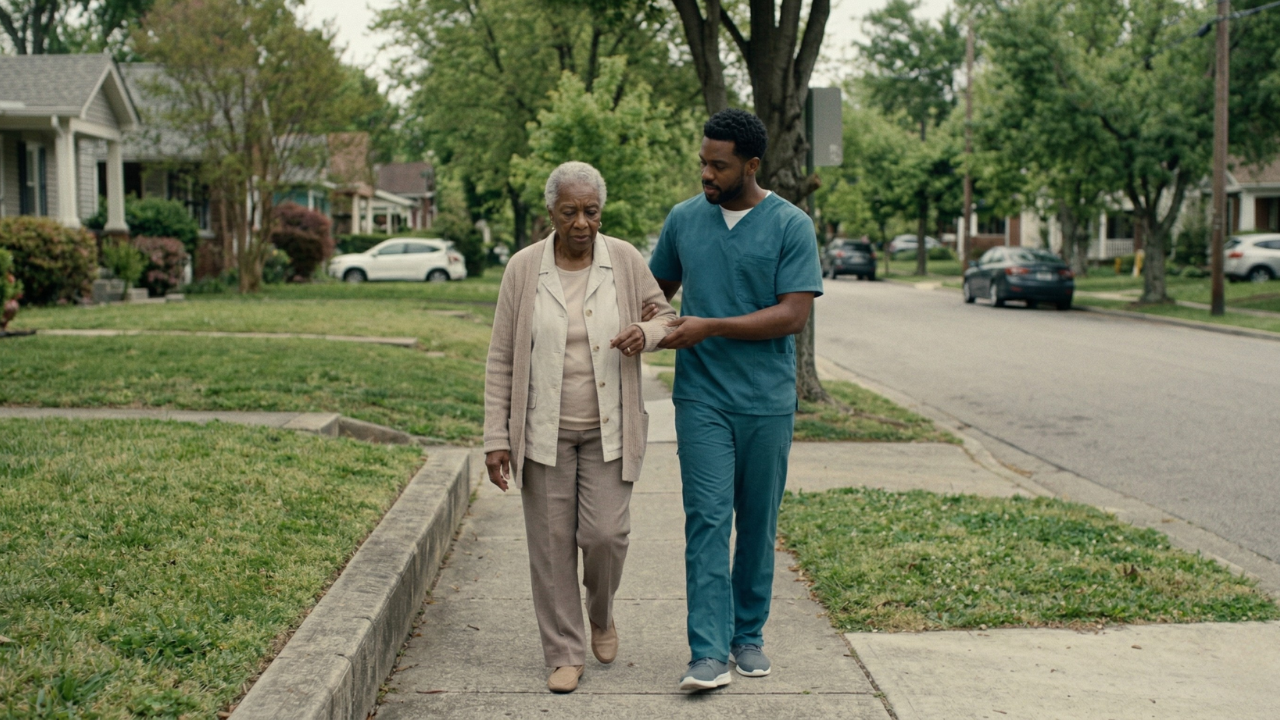
Hospice CNA Jobs: Hands-On Comfort Care at the End of Life

Hospice CNA jobs are built around comfort, dignity, and presence. Certified nursing assistants and hospice aides often provide some of the most personal support a patient receives during hospice care, helping with daily comfort, personal care, and meaningful human connection.
For people who feel called to hands-on caregiving, hospice can be a deeply meaningful career path. The work requires compassion, patience, attention to detail, respect for patient dignity, and the ability to support people during a vulnerable stage of life.
Hospice CNAs work as part of the larger hospice care team, supporting patients under the guidance of nurses and the clinical team. Their role is not only about completing tasks. It is about helping patients feel seen, respected, and cared for in the place they call home.
This article explains what hospice CNAs do, what skills are helpful, what makes hospice aide work different, and why many caregivers find this role meaningful.
This article is for general educational and career information only. Job responsibilities, qualifications, schedules, benefits, and available positions may vary by location, role, state requirements, and current hiring needs. Please review each open position carefully and speak with the hiring team for role specific details.
What Is a Hospice CNA?
A hospice CNA is a certified nursing assistant who supports patients receiving hospice care. Hospice CNAs may also be referred to as hospice aides, depending on the role, location, and care setting.
In hospice care, CNAs help support daily comfort and personal care. This may include assistance with bathing, grooming, dressing, repositioning, toileting, linen changes, mobility support, and other activities of daily living based on the patient’s plan of care.
Hospice CNAs also help observe changes in the patient’s comfort, appearance, mood, skin condition, mobility, appetite, or daily routine. These observations can be important because CNAs often spend meaningful time with patients and may notice subtle changes that should be shared with the nurse or clinical team.
The role is centered on dignity. Even small acts of care, such as helping someone feel clean, comfortable, warm, safe, and respected, can make a meaningful difference.
What Do Hospice CNAs Do?
Hospice CNAs provide hands-on personal care and comfort support according to the patient’s individualized plan of care. The exact responsibilities may vary by location, care setting, state requirements, and patient needs.
A hospice CNA may help with bathing, oral care, grooming, dressing, toileting, changing linens, light comfort-related tasks, repositioning, safe movement, and reporting changes to the hospice nurse. In some settings, the CNA may also help support a calm and respectful care environment.
Hospice CNAs do not work alone. They are part of an interdisciplinary team that may include registered nurses, physicians, social workers, chaplains, volunteers, bereavement professionals, and other care team members. The CNA’s work supports the larger goal of comfort-focused care.
Because hospice care often happens wherever the patient calls home, CNAs may provide care in private residences, assisted living communities, memory care communities, skilled nursing facilities, or other care settings.
Why Are CNAs Important in Hospice Care?
Hospice care is deeply personal. Patients may need help with daily activities that can feel vulnerable, such as bathing, dressing, toileting, and repositioning. A compassionate CNA can help make those moments feel safer, calmer, and more dignified.
For many patients, the CNA is one of the care team members they see regularly. That consistency can help build trust. Patients may feel more comfortable when care is provided by someone who understands their preferences, routines, and comfort needs.
CNAs also support loved ones. Family caregivers may feel physically and emotionally exhausted from trying to manage daily care on their own. When a hospice CNA helps with personal care, loved ones may have more space to simply be present with the patient.
This is one reason hospice CNA work matters. It supports the patient’s comfort while also helping loved ones feel less alone in the caregiving process.
What Makes Hospice CNA Work Different?
Hospice CNA work is different because the focus of care is comfort, dignity, and quality of life. The pace, goals, and emotional tone may be different from other healthcare settings.
In hospice, care is often less about rushing through tasks and more about providing support in a way that honors the patient. A bath is not just a bath. It may be a moment of comfort, dignity, and relief. Helping a patient reposition is not just a physical task. It may help reduce discomfort, protect skin, and allow the patient to rest more peacefully.
Hospice CNAs also work closely with patients who may be experiencing decline, weakness, confusion, limited communication, or changes near the end of life. This requires patience, gentleness, and emotional awareness.
The work can be meaningful because it allows CNAs to provide care that is both practical and deeply human.
What Skills Are Important for Hospice CNA Jobs?
Hospice CNA jobs require both caregiving skills and interpersonal skills. Because hospice care is often provided in home or community settings, CNAs need to be dependable, observant, respectful, and comfortable communicating with the care team.
Helpful skills for hospice CNA roles may include:
- Compassionate personal care
- Respect for patient dignity and privacy
- Patience and calm communication
- Observation and reporting skills
- Comfort supporting activities of daily living
- Attention to safety and infection control practices
- Ability to follow a plan of care
- Dependability and time management
- Comfort working with patients in home or facility settings
- Teamwork with nurses and the interdisciplinary hospice team
Strong hospice CNAs understand that how care is provided matters as much as the care itself. Tone of voice, patience, body language, and respect can all affect the patient’s experience.
Is Hospice CNA Work Emotionally Difficult?
Hospice CNA work can be emotional. CNAs support patients and loved ones during a sensitive stage of life, and the work can involve grief, decline, and difficult moments.
At the same time, many people find hospice caregiving deeply meaningful. The role gives CNAs the opportunity to help patients feel more comfortable, supported, and respected. It also allows them to be part of a team that is focused on compassion and dignity.
Emotional strength in hospice does not mean being unaffected. It means having compassion, healthy boundaries, team support, and the ability to remain present with patients and loved ones.
For caregivers who value connection, dignity, and meaningful service, hospice CNA work can be a powerful career path.
What Is a Typical Day Like for a Hospice CNA?
A typical day for a hospice CNA may vary depending on the care setting, schedule, patient needs, and location. A CNA may travel to different patient homes or care facilities, follow an assigned visit schedule, and provide personal care based on each patient’s plan of care.
During a visit, the CNA may help with bathing, grooming, dressing, toileting, linen changes, repositioning, or other comfort-related tasks. The CNA may also observe whether the patient seems more tired, more uncomfortable, less alert, more restless, or different from a previous visit.
After a visit, the CNA may document care provided and report concerns or changes to the hospice nurse or appropriate team member. Communication is important because the CNA’s observations can help the team update the care plan when needed.
No two days are exactly the same. Hospice CNA work requires flexibility, compassion, and the ability to care for each patient as an individual.
Do Hospice CNAs Work in Patients’ Homes?
Many hospice CNAs provide care wherever the patient calls home. This may include a private residence, assisted living community, memory care community, skilled nursing facility, or another care setting.
Working in a home or community setting can feel different from working in a hospital or facility. CNAs may need to adapt to different environments, communicate respectfully with loved ones or facility staff, and provide care in a way that fits the patient’s space and routine.
This kind of work requires professionalism and sensitivity. The CNA is entering a personal space during an emotional season, so respect, kindness, and clear communication matter.
How Do Hospice CNAs Work With Nurses?
Hospice CNAs work under the guidance of the nurse and clinical team. The nurse helps develop and update the plan of care, while the CNA provides personal care and observes changes during visits.
If a CNA notices a change in comfort, skin condition, breathing, mobility, alertness, mood, appetite, or caregiver concern, they should report it according to the team’s process. These observations help the nurse and care team understand what may be changing and whether the plan of care needs to be adjusted.
The relationship between the CNA and nurse is important. Good communication helps patients receive more consistent support and helps the team respond to changes quickly and thoughtfully.
What Qualifications Are Needed for Hospice CNA Jobs?
Qualifications for hospice CNA jobs vary by state, location, employer, and role. In general, CNA roles require active certification or licensure as required by the state where the person will work. Some roles may require previous healthcare, hospice, home health, long-term care, or personal care experience.
Because hospice CNAs may travel to patients in different care settings, some roles may require a valid driver’s license, reliable transportation, and the ability to meet role-specific scheduling or travel expectations. Requirements can vary, so candidates should review each job posting carefully.
Hospice experience may be helpful, but it may not always be required for every position. Compassion, dependability, respect for dignity, and willingness to learn are important qualities in hospice caregiving.
Why Choose a Hospice CNA Career?
People choose hospice CNA careers for many reasons. Some are drawn to meaningful one-on-one care. Some value the opportunity to support patients in a more personal setting. Others want a caregiving role that feels connected to comfort, dignity, and compassion.
Hospice CNA work can be especially meaningful because small acts of care matter deeply. Helping someone feel clean, comfortable, repositioned, calm, and respected can change the experience of the day for both the patient and loved ones.
For CNAs who want their work to feel personal and purpose driven, hospice can offer a unique path in healthcare.
How Hospice CNA Work Supports Loved Ones
Hospice care supports the patient, but it also supports the people caring for them. Loved ones may be tired, overwhelmed, or unsure how to help with physical care. A CNA’s presence can provide practical support and reassurance.
When a CNA helps with personal care, loved ones may feel relief knowing the patient is being cared for with dignity. They may also learn from the CNA’s calm approach and feel more confident supporting the patient between visits.
In hospice care, comfort is often created through many small moments. CNAs are part of those moments every day.
Hospice CNA Careers at Bristol Hospice
At Bristol Hospice, certified nursing assistants and hospice aides are an important part of our care team. Their work centers on hands-on comfort, dignity, personal care, observation, and support for quality of life.
Hospice CNA roles may vary by location and current openings, but the heart of the work remains the same: supporting patients with compassion and respect during a meaningful stage of life.
Our teams look for caregivers who are dependable, observant, gentle, and committed to treating patients with dignity. CNAs work closely with nurses and the interdisciplinary team to help provide individualized comfort-focused care.
For those who want a caregiving career with purpose, hospice CNA work can be a meaningful way to serve patients, loved ones, and communities.
Frequently Asked Questions About Hospice CNA Jobs
What does a hospice CNA do?
A hospice CNA provides hands-on personal care and comfort support for patients receiving hospice care. This may include help with bathing, grooming, dressing, toileting, repositioning, linen changes, mobility support, and observing changes that should be reported to the nurse or care team.
Is a hospice CNA the same as a hospice aide?
The terms may vary by employer, location, and role. In many hospice settings, certified nursing assistants and hospice aides provide personal care and comfort support under the guidance of the clinical team. Candidates should review each job posting for specific role details.
Do hospice CNAs work in patients’ homes?
Many hospice CNAs provide care wherever the patient calls home. This may include a private residence, assisted living community, memory care community, skilled nursing facility, or another care setting.
What skills are important for hospice CNA jobs?
Important skills include compassionate personal care, patience, communication, observation, respect for dignity and privacy, dependability, time management, ability to follow a care plan, and teamwork with nurses and the interdisciplinary hospice team.
Do hospice CNA jobs require hospice experience?
Requirements vary by role and location. Some positions may prefer hospice, home health, long-term care, or personal care experience, while others may provide training and support for candidates who meet the role requirements and are a good fit for hospice care.
Is hospice CNA work emotionally hard?
Hospice CNA work can be emotional because it involves caring for patients and loved ones during a sensitive stage of life. Many CNAs also find the work deeply meaningful because it allows them to support comfort, dignity, and compassionate care.
What qualifications are needed for hospice CNA jobs?
Qualifications vary by state, location, and employer. In general, CNA roles require active certification or licensure as required by the state where the person will work. Some roles may also require a valid driver’s license, reliable transportation, and relevant healthcare or caregiving experience.
Why choose hospice CNA work?
Hospice CNA work can be meaningful for caregivers who value one-on-one support, personal care, dignity, compassion, and helping patients feel comfortable during a serious illness.
Where can I find hospice CNA jobs at Bristol Hospice?
You can view current opportunities on the Bristol Hospice careers page. Open roles, requirements, schedules, and locations may vary based on current hiring needs.
A Career Built on Comfort and Dignity
Hospice CNA jobs are centered on care that is personal, practical, and deeply meaningful. The work requires skill, patience, respect, and compassion. It also offers the opportunity to make a real difference in the daily comfort of patients and the experience of loved ones.
For caregivers who want to provide hands-on support with purpose, hospice can be a powerful place to build a career.
At Bristol Hospice, CNAs and hospice aides help carry forward a commitment to comfort, dignity, and quality of life. Every visit matters. Every act of care matters. Every patient deserves to be treated with compassion and respect.
Explore Hospice CNA Careers at Bristol Hospice
Bristol Hospice offers career opportunities for certified nursing assistants, hospice aides, and other compassionate professionals who want to make a meaningful difference in end-of-life care. If you are interested in hospice CNA jobs, learn more about certified nursing assistant careers at Bristol Hospice or visit our careers page to explore current openings.
You may also find these related career resources helpful:
- Certified Nursing Assistant Careers at Bristol Hospice
- Careers at Bristol Hospice
- Registered Nurse Careers at Bristol Hospice
- Hospice Liaison Jobs at Bristol Hospice
- Hospice RN Jobs: What It Is Like to Be a Hospice Nurse
This article is for general career information only. Job responsibilities, qualifications, schedules, benefits, and available positions may vary by location, role, state requirements, and current hiring needs. Please review current job postings and speak with the hiring team for role specific details.