
When someone is near the end of life, breathing may become slower, faster, irregular, noisy, shallow, or include pauses. These changes can be upsetting for loved ones to witness. Bristol Hospice explains what families may notice, what not to assume, and when to contact the hospice team for guidance.
The Role of Volunteers in Hospice Care: How They Make a Difference
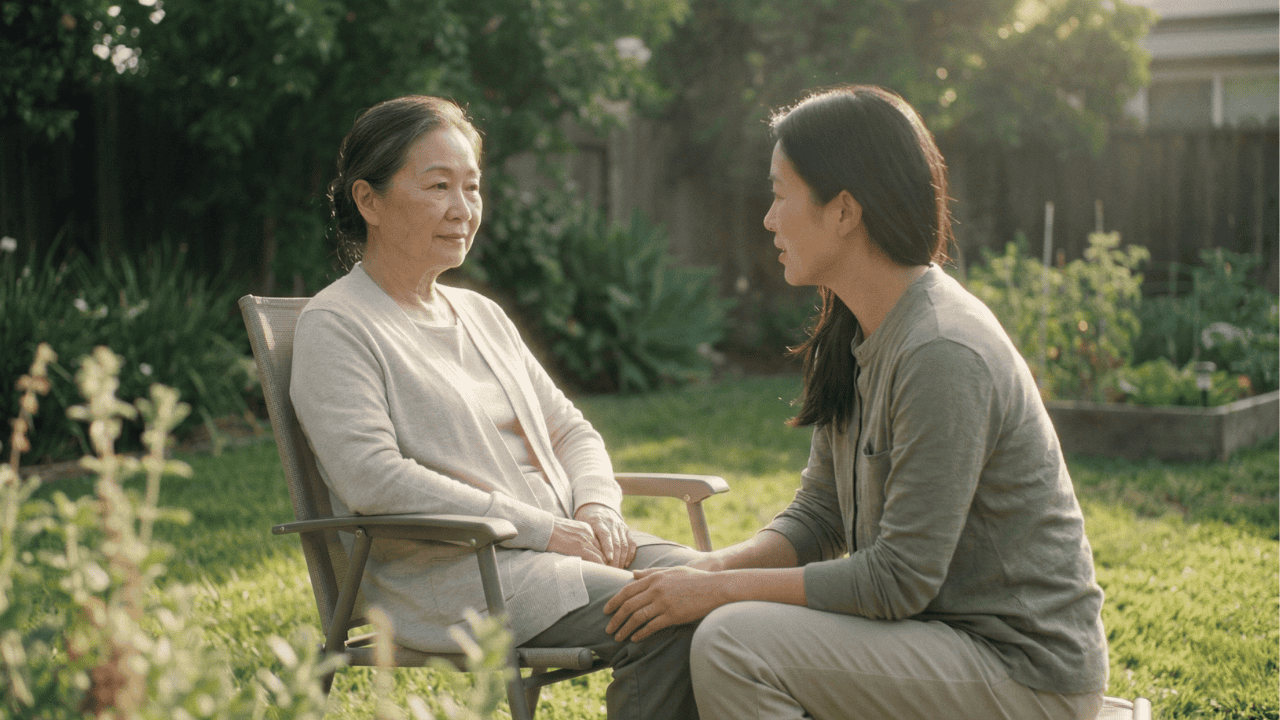
Volunteers are one of the most essential and most quietly powerful parts of hospice care. They are not clinical staff. They do not administer medications or manage medical equipment. What they do is something that no prescription can replicate: they show up. They sit with patients who might otherwise be alone. They give family caregivers a few hours of rest. They read aloud, play music, share stories, and offer the kind of unhurried human presence that transforms the experience of dying from something isolating into something accompanied.
At Bristol Hospice, volunteers are a cherished part of the care team. Across our 78 locations in 25 states, hospice volunteers give thousands of hours each year to patients and families who are navigating one of the most profound transitions of human life. April is National Volunteer Month, and National Volunteer Week is observed from April 19 to April 25. This is a meaningful time to recognize the extraordinary contribution volunteers make to hospice care and to the families who depend on it.
This article explores what hospice volunteers actually do, why their role matters so deeply, and what it means to serve in this way.
What Do Hospice Volunteers Do
Hospice volunteers provide companionship, practical support, and emotional presence to patients and families during end of life care. Their role is distinct from the clinical team and equally important. While nurses, physicians, and aides focus on medical and personal care needs, volunteers focus on something harder to quantify: human connection.
The specific ways hospice volunteers contribute vary based on the needs of each patient and family. Some of the most common volunteer roles in hospice care include:
- Sitting with a patient so a family caregiver can rest, run errands, or simply step away for a few hours
- Providing companionship to patients who live alone or whose family members are not able to be present regularly
- Reading aloud, playing music, or engaging in conversation based on what brings comfort to the individual patient
- Helping with light practical tasks such as running errands, preparing simple meals, or assisting with correspondence
- Providing companionship during the final hours of life so that no one has to die alone
- Supporting families with bereavement follow-up after a loved one has passed
- Assisting hospice staff with administrative and organizational tasks that support the broader care operation
Every volunteer contribution, regardless of how it appears on a list, carries the same core gift: the willingness to be present in a place that most people find difficult to enter.
Why Volunteers Are Essential to Hospice Care
Volunteers are essential to hospice care because they meet needs that clinical care alone cannot address. The Medicare Conditions of Participation for hospice programs actually require that volunteers make up a minimum of five percent of total patient care hours. This is not an arbitrary requirement. It reflects a foundational understanding that hospice care is about more than medical management. It is about the whole person and the whole family, and that requires a whole community of support.
Beyond the regulatory requirement, the practical reality is that hospice patients and their families face a level of need that extends far beyond what a clinical team can meet during scheduled visits. A nurse may visit several times a week. A volunteer can fill the hours between those visits with presence, conversation, and care that makes an enormous difference to both the patient and the family.
For family caregivers in particular, the presence of a trusted volunteer can be the difference between sustainable caregiving and complete exhaustion. Caregiver burnout is one of the most significant challenges in end of life care. A volunteer who reliably shows up and gives a caregiver a few hours of genuine rest is providing a form of support that cannot be overstated.
The Impact of Hospice Volunteers on Patients
The impact of hospice volunteers on patients is profound and often deeply personal. For patients who are alone, a volunteer may be the most consistent human presence in their daily life. For patients who are surrounded by family, a volunteer brings a different kind of presence: someone without the weight of grief and relationship history, someone who can simply sit and be without needing anything in return.
Families frequently describe volunteer visits as one of the most meaningful parts of their hospice experience. A volunteer who spent hours reading to a patient who could no longer speak. A volunteer who learned a patient’s favorite songs and played them softly during visits. A volunteer who sat quietly through the night so a family could sleep knowing their loved one was not alone.
These are not small things. In the context of end of life care, they are among the most important things.
The Impact of Hospice Volunteers on Family Caregivers
Family caregivers carry an enormous physical and emotional load during a loved one’s hospice journey. They are managing medications, coordinating care, processing grief, maintaining a household, and often doing all of this while holding down a job and caring for other family members. The weight of this experience accumulates in ways that are difficult to describe and even more difficult to sustain.
A hospice volunteer who comes to sit with a patient for two hours gives a caregiver two hours. Two hours to sleep without listening for sounds from the other room. Two hours to take a walk, make a phone call, eat a meal without interruption, or simply sit quietly without being needed. For a caregiver who has not had this kind of space in weeks or months, two hours can feel like a lifeline.
Beyond respite, volunteers also provide a form of emotional support that is different from what the clinical team offers. A volunteer who calls regularly, checks in on how the caregiver is doing, and simply listens without agenda can become a meaningful source of connection during one of the loneliest experiences a person can face.
What It Takes to Be a Hospice Volunteer
Hospice volunteers come from every background and walk of life. They are retired professionals and college students. They are people who lost a loved one to hospice illness and want to give back. They are people of faith who feel called to serve. They are neighbors, community members, and individuals who simply want to be useful in a meaningful way.
What hospice volunteering requires is not a medical background or specialized training in end of life care. What it requires is a willingness to show up, a capacity to be present without needing to fix or resolve what cannot be fixed or resolved, and a genuine desire to support another person during one of the most significant passages of human life.
Hospice volunteers receive training from their hospice organization before beginning service. This training covers topics such as the hospice philosophy of care, what to expect during patient visits, how to support families, communication skills, and self-care for volunteers who are doing emotionally demanding work. This training equips volunteers to serve with confidence and compassion.
How Bristol Hospice Volunteers Serve Their Communities
Bristol Hospice volunteers serve patients and families across 78 locations in 25 states. Their contributions span a wide range of activities that reflect the diversity of patient needs and the creativity and commitment of the volunteers themselves.
Some of the ways Bristol Hospice volunteers have made a difference include creating handmade birthday cards and notes of encouragement for patients, organizing community events that bring patients and families together, participating in programs like We Honor Veterans to ensure that patients who served in the military receive recognition and honor, and providing companionship and practical support to patients across a wide range of settings including private homes, assisted living communities, and skilled nursing facilities.
Every volunteer experience is shaped by the individual patient and family being served. No two visits are exactly alike. What remains constant is the intention behind every visit: to ensure that no patient feels forgotten and no family feels alone.
Why People Choose to Volunteer in Hospice Care
People choose to volunteer in hospice care for many reasons. Some come because they experienced hospice care with a loved one and want to give back something of what they received. Some come because they work in a helping profession and want to extend that work into their personal time. Some come because they are drawn to questions of meaning and mortality and find that hospice volunteering offers a kind of depth and purpose that other volunteer opportunities do not.
Many hospice volunteers describe their experience as one of the most meaningful things they have ever done. The intimacy of end of life care, the gratitude of families, and the privilege of bearing witness to the final chapter of a person’s life create an experience that is difficult to fully describe but consistently described as transformative.
Hospice volunteering also offers something that many people find unexpectedly valuable: perspective. Being present at the end of life has a way of clarifying what matters. Volunteers frequently speak about how their service changed the way they approach their own lives, relationships, and priorities.
How to Become a Hospice Volunteer with Bristol Hospice
Becoming a hospice volunteer with Bristol Hospice begins with reaching out to your local Bristol Hospice location. The volunteer coordinator at each location can walk you through the application process, training requirements, and available volunteer opportunities in your area.
There is no single profile of a hospice volunteer. Bristol Hospice welcomes individuals from all backgrounds who share a commitment to compassionate service and a genuine desire to support patients and families during end of life care.
If you are considering hospice volunteering and want to learn more before making a decision, reaching out for a conversation is always a welcome first step. You can find your closest Bristol Hospice location and connect with our team at bristolhospice-volunteer.com.
Frequently Asked Questions About Hospice Volunteering
What do hospice volunteers actually do during visits?
Hospice volunteers provide companionship, emotional support, and practical assistance to patients and families. This may include sitting with a patient, reading aloud, playing music, running errands, or simply being a caring presence so that family caregivers can rest.
Do hospice volunteers need medical training or experience?
No. Hospice volunteers do not provide clinical care and do not need a medical background. They receive training from their hospice organization that prepares them for the emotional and relational aspects of their role.
Why are volunteers required in hospice care?
Medicare Conditions of Participation require that volunteers make up at least five percent of total patient care hours in a hospice program. This requirement reflects the recognition that hospice care is about the whole person and requires community support beyond clinical services alone.
How much time do hospice volunteers typically commit?
Time commitments vary by organization and individual volunteer. Many hospice volunteers serve a few hours per week or per month. Your local Bristol Hospice volunteer coordinator can discuss what schedule works for you and what opportunities are available.
Is hospice volunteering emotionally difficult?
Hospice volunteering can be emotionally demanding, and hospice organizations provide training and support to help volunteers navigate this. Many volunteers describe the experience as deeply meaningful and find that the support they receive from the hospice team makes it sustainable and rewarding.
Can I volunteer for hospice if I have experienced a personal loss?
Yes. Many hospice volunteers come to this work because of a personal experience with loss or with hospice care for a loved one. Hospice organizations generally ask that volunteers allow some time after a significant personal loss before beginning service to ensure they are in a good place to support others.
Honoring Hospice Volunteers This April
National Volunteer Month in April and National Volunteer Week from April 19 to April 25 offer a meaningful opportunity to recognize the people who give their time, presence, and compassion to hospice patients and families across the country.
At Bristol Hospice, we are deeply grateful for every volunteer who walks through the door of a patient’s home or facility and says through their presence: you matter, you are not alone, and I am here. This work is not glamorous. It does not come with a title or a paycheck. It comes with something more valuable than either: the knowledge that you made a difference in the life of another person during the most significant passage of their journey.
To every Bristol Hospice volunteer, thank you. What you do matters more than words can fully capture.
Learn More About Volunteering with Bristol Hospice
Bristol Hospice welcomes volunteers across 78 locations in 25 states. To learn more about hospice volunteering opportunities in your area, visit bristolhospice.com or connect with our care team today.
This article is for general educational purposes only. Volunteer requirements and training processes may vary by location. Please contact your local Bristol Hospice office for information specific to your area.
Bristol Hospice Cares — Explore Our Blogs
Changes in Breathing Near the End of Life
Published on September 29, 2026 in the Resource Category

Restlessness Near the End of Life
Published on September 25, 2026 in the Resource Category

When someone near the end of life becomes restless, loved ones may feel worried, confused, or unsure what to do. Restlessness can look like agitation, repeated movements, confusion, pulling at blankets, trying to get out of bed, or seeming unable to settle. Bristol Hospice shares what families may notice, what not to assume, and when to contact the hospice team for guidance.
