
When someone is near the end of life, breathing may become slower, faster, irregular, noisy, shallow, or include pauses. These changes can be upsetting for loved ones to witness. Bristol Hospice explains what families may notice, what not to assume, and when to contact the hospice team for guidance.
What Is the Difference Between Alzheimer’s and Dementia?
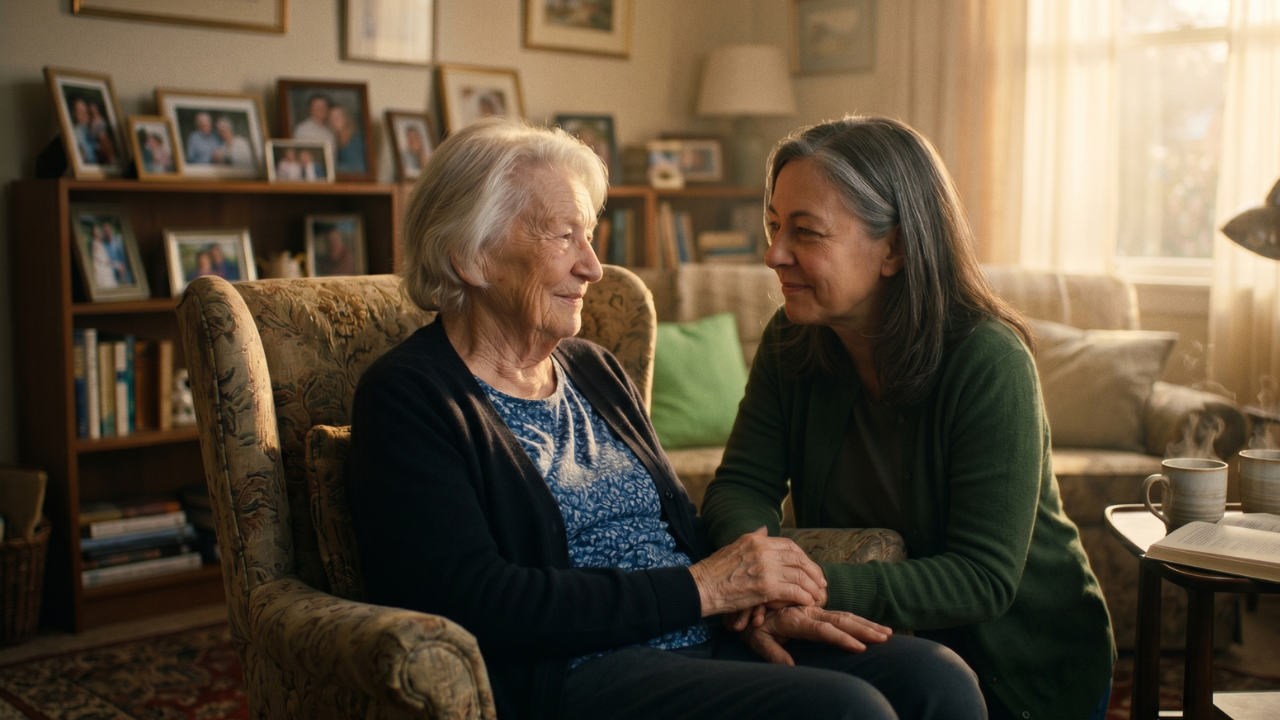
If you have ever used the words Alzheimer’s and dementia as though they mean the same thing, you are not alone. Most people do. But understanding the difference between the two can change everything — how a diagnosis is processed, how care decisions are made, and how families show up for the people they love.
The short answer is this: dementia is not a disease. It is a term used to describe a group of symptoms. Alzheimer’s disease is a specific disease that causes those symptoms in most people who have dementia. Understanding that distinction — and knowing the different types of dementia — helps families make more informed decisions about care, including when hospice care becomes the most compassionate option.
At Bristol Hospice, we walk alongside families navigating dementia every day. This article is intended to be a clear, honest, and compassionate resource for families who are trying to understand what a loved one’s diagnosis means.
This article is for general educational purposes only and does not constitute medical advice. If you have questions about a loved one’s diagnosis or care, call us at 1-855-BRISTOL or visit bristolhospice.com. We are available 24 hours a day, 7 days a week, 365 days a year.
What Is Dementia?
Dementia is not a single disease. It is an umbrella term that describes a group of symptoms serious enough to interfere with a person’s ability to carry out daily life. These symptoms typically include memory loss, difficulty thinking clearly, problems with language, and changes in behavior or personality.
Dementia is caused by damage to brain cells that affects their ability to communicate with one another. Different diseases cause this damage in different ways, in different parts of the brain, and at different rates — which is why there are many different types of dementia, each with its own progression and care needs.
Dementia is not a normal part of aging. While it is more common in older adults, it is caused by disease or injury to the brain — not simply by getting older. This distinction matters because it means dementia has causes, has patterns, and can be diagnosed, even when a diagnosis takes time.
What Is Alzheimer’s Disease?
Alzheimer’s disease is the most common cause of dementia, accounting for approximately 60 to 80 percent of all dementia cases in the United States. It is a progressive, degenerative brain disease caused by the buildup of amyloid plaques and tau protein tangles in the brain, which damage and eventually destroy brain cells.
The disease typically begins in the part of the brain responsible for learning and forming new memories, which is why early memory loss is often the first noticeable symptom. As the disease advances, it affects other regions of the brain, leading to increasing difficulty with language, reasoning, judgment, and eventually the ability to speak, swallow, and walk.
Alzheimer’s disease begins developing in the brain years — sometimes decades — before any symptoms appear. By the time a person notices memory changes, the disease has already been present for some time.
Approximately 6.7 million older adults in the United States are currently living with Alzheimer’s disease. While most people with Alzheimer’s are 65 or older, approximately 200,000 Americans under the age of 65 are living with what is called younger-onset or early-onset Alzheimer’s disease.
What Is the Difference Between Alzheimer’s and Dementia?
The clearest way to understand the difference is this: dementia is a set of symptoms, and Alzheimer’s disease is one of the diseases that causes those symptoms.
Think of it this way. A fever is a symptom. Many different illnesses can cause a fever — the flu, a bacterial infection, COVID-19, and others. Dementia works the same way. It describes what is happening in terms of symptoms, but it does not identify the underlying cause. Alzheimer’s disease is one of the causes.
This means that all people with Alzheimer’s disease have dementia, but not everyone with dementia has Alzheimer’s. The difference matters because the underlying cause affects how the disease progresses, what symptoms appear and when, and how care is best approached.
What Are the Other Types of Dementia?
Beyond Alzheimer’s disease, there are several other well-recognized types of dementia that families may encounter. Bristol Hospice has dedicated care programs and educational resources for many of these conditions.
Vascular Dementia is the second most common type of dementia, caused when reduced blood flow to the brain damages brain cells. It often develops after a stroke or series of small strokes. Symptoms may include difficulty with problem-solving, slowed thinking, and changes in focus and organization. Unlike Alzheimer’s, memory loss is not always the primary early symptom. Bristol Hospice has published a detailed resource on vascular dementia, its stages, and when hospice can help.
Lewy Body Dementia is caused by abnormal protein deposits called Lewy bodies that form in the brain. It is one of the more common but less well-known forms of dementia and often involves visual hallucinations, sleep disturbances, and movement symptoms similar to Parkinson’s disease. Cognitive symptoms can fluctuate significantly from day to day.
Frontotemporal Dementia primarily affects the frontal and temporal lobes of the brain — the areas responsible for personality, behavior, and language. Unlike Alzheimer’s, it often begins with behavioral or personality changes rather than memory loss, and it tends to appear at a younger age. Bristol Hospice has a dedicated resource on frontotemporal dementia and how hospice can help.
Parkinson’s Disease Dementia occurs in many people living with Parkinson’s disease as the condition advances. The dementia symptoms in Parkinson’s disease share features with Lewy body dementia and can include memory difficulties, slowed thinking, and visual hallucinations. Bristol Hospice has also published a resource on when hospice is the right choice for Parkinson’s patients.
Mixed Dementia is a diagnosis given when a person shows brain changes consistent with more than one type of dementia at the same time — most commonly Alzheimer’s disease and vascular dementia occurring together. It is more common than many families realize.
What Are the Early Signs of Dementia?
Early signs of dementia vary depending on the type, but some patterns appear across most forms of the condition. Families often notice these signs before a formal diagnosis is made, and recognizing them early is important because earlier diagnosis allows for earlier support and planning.
Common early signs of dementia include difficulty remembering recent events or conversations, asking the same questions repeatedly, getting lost in familiar places, trouble finding the right words, difficulty completing familiar tasks, changes in mood or personality, and withdrawing from social activities that were previously enjoyed.
It is important to note that occasional forgetfulness — forgetting where you left your keys, blanking on a name — is a normal part of aging. Dementia involves a more persistent and progressive pattern of cognitive changes that begins to interfere meaningfully with daily life. When these changes are noticed, speaking with a physician is the right next step.
Is Dementia a Normal Part of Aging?
No. This is one of the most important and most commonly misunderstood facts about dementia. Dementia is caused by disease, not by aging itself. While the risk of developing dementia increases with age, many people live into their 80s, 90s, and beyond without ever developing it.
Treating dementia as an inevitable part of aging can delay families from seeking a diagnosis, understanding what is happening, and accessing the support they need. A formal diagnosis — even when the news is difficult — opens doors to resources, care planning, and support that can significantly improve quality of life for both the person living with dementia and their family.
What Is the Progression of Alzheimer’s Disease?
Alzheimer’s disease progresses through stages, though the pace and experience of progression varies significantly from person to person. In the early stages, symptoms are mild — a person may notice memory lapses and have some difficulty with complex tasks, but they are generally able to live independently. In the middle stages, memory loss becomes more pronounced, confusion increases, and the person may need more help with daily activities. In the later stages, the disease causes severe cognitive and physical decline, and full-time care is typically needed.
Other types of dementia follow their own patterns of progression. Vascular dementia may progress in a stepped pattern, with periods of stability punctuated by sudden changes. Frontotemporal dementia may progress relatively quickly. Understanding the type of dementia a loved one has can help families anticipate what lies ahead and plan accordingly.
When Should Families Consider Hospice Care for Dementia?
Hospice care is appropriate for people with dementia when the disease has progressed to an advanced stage and the focus of care shifts from treating or slowing the disease to ensuring maximum comfort, dignity, and quality of life. At this point, the goals of hospice — expert symptom management, emotional and spiritual support, and compassionate presence — align directly with what patients and families need most.
Some of the signs that it may be time to ask about hospice for a loved one with dementia include significant decline in the ability to communicate, increasing difficulty swallowing, recurrent infections, significant weight loss, loss of the ability to walk or transfer without full assistance, and a general pattern of declining function even with the best medical care in place.
Families often wonder whether hospice means giving up hope. It does not. Hospice is a choice to redirect hope — away from disease modification that is no longer possible, and toward the things that matter most: peace, comfort, presence, and dignity. Many families say that beginning hospice care earlier gave their loved one and their family more meaningful time together.
Bristol Hospice’s Bright Moments program was specifically designed to support patients in the advanced stages of dementia and Alzheimer’s disease, as well as their families and care teams. It is an approach rooted in compassion, presence, and honoring the person behind the diagnosis.
How Bristol Hospice Supports Families Living with Dementia
At Bristol Hospice, we understand that a dementia diagnosis is one of the most profound and disorienting things a family can face. The questions are endless, the grief is real and ongoing, and the road ahead can feel overwhelming.
Our care teams — including registered nurses, social workers, chaplains, home health aides, and trained volunteers — are here to support your entire family through every stage of this journey. We help manage symptoms, guide care decisions, provide respite for exhausted caregivers, and ensure that your loved one is surrounded by comfort, dignity, and compassion in the place they call home.
If you are not sure whether your loved one is eligible for hospice care, we encourage you to reach out. Our team can help you understand the options and make informed decisions together — with no obligation and no pressure.
Frequently Asked Questions About Alzheimer’s and Dementia
Is Alzheimer’s disease the same as dementia?
No. Dementia is a term that describes a group of symptoms including memory loss, confusion, and difficulty with daily tasks. Alzheimer’s disease is a specific brain disease that is the most common cause of dementia, accounting for approximately 60 to 80 percent of cases. Not everyone with dementia has Alzheimer’s disease.
What are the most common types of dementia?
The most common types of dementia include Alzheimer’s disease, vascular dementia, Lewy body dementia, frontotemporal dementia, and Parkinson’s disease dementia. Some people are diagnosed with mixed dementia, which involves more than one type simultaneously.
Is dementia a normal part of aging?
No. While the risk of dementia increases with age, dementia is caused by disease or damage to the brain — not by aging itself. Many people live into their 80s and beyond without developing dementia.
What are the early signs of dementia?
Early signs of dementia can include memory loss that disrupts daily life, difficulty completing familiar tasks, confusion about time or place, trouble finding words, changes in mood or personality, and withdrawing from social activities. If you notice these changes in a loved one, speaking with a physician is the right step.
When is hospice appropriate for someone with dementia?
Hospice care is appropriate for people with advanced dementia when the disease has progressed to the point where comfort and quality of life are the primary goals of care. Signs that it may be time to consider hospice include significant difficulty swallowing, recurring infections, substantial weight loss, and loss of the ability to walk or communicate meaningfully. Call us at 1-855-BRISTOL and we can help evaluate eligibility and guide the conversation.
Can hospice help families caring for someone with Alzheimer’s disease?
Yes. Bristol Hospice supports patients with Alzheimer’s disease and other forms of dementia in their homes, nursing facilities, and assisted living settings. Our Bright Moments program is specifically designed to honor patients with advanced dementia. Our care teams also provide essential support to family caregivers, including education, emotional support, and respite care.
You Do Not Have to Navigate This Alone
A dementia diagnosis changes everything — but it does not have to mean facing what comes next without support. Whether your loved one was just diagnosed or you are deep into the caregiving journey, Bristol Hospice is here to walk alongside your family with knowledge, compassion, and care.
If you have questions about dementia, Alzheimer’s disease, or whether hospice might be the right next step for your family, we are available around the clock, every day of the year.
Learn More About Dementia and Hospice Care
Bristol Hospice provides compassionate hospice care across 78 locations in 25 states. To learn more about how we support patients and families living with dementia and Alzheimer’s disease, visit bristolhospice.com or talk to our care team today.
You may also find these related resources helpful:
- Vascular Dementia: Stages, Life Expectancy, and When Hospice Can Help
- What Is Frontotemporal Dementia? Symptoms, Stages, and How Hospice Can Help
- What Is Sundowning in Dementia: What Families Need to Know
- When Should Someone with Parkinson’s Disease Consider Hospice Care
- Bristol Hospice Bright Moments Program
This article is for general educational purposes only and does not constitute medical advice. If you have questions about dementia, Alzheimer’s disease, or hospice eligibility, contact us any time at 1-855-BRISTOL or visit bristolhospice.com. We are available 24 hours a day, 7 days a week, 365 days a year.
Bristol Hospice Cares — Explore Our Blogs
Changes in Breathing Near the End of Life
Published on September 29, 2026 in the Resource Category

Restlessness Near the End of Life
Published on September 25, 2026 in the Resource Category

When someone near the end of life becomes restless, loved ones may feel worried, confused, or unsure what to do. Restlessness can look like agitation, repeated movements, confusion, pulling at blankets, trying to get out of bed, or seeming unable to settle. Bristol Hospice shares what families may notice, what not to assume, and when to contact the hospice team for guidance.
