
Before starting hospice care, patients and loved ones may have questions about eligibility, team visits, medications, equipment, supplies, coverage, caregiver support, and what happens next. Bristol Hospice shares helpful questions to ask so families can feel more informed and prepared.
Vascular Dementia Life Expectancy, Stages, and When Hospice Can Help
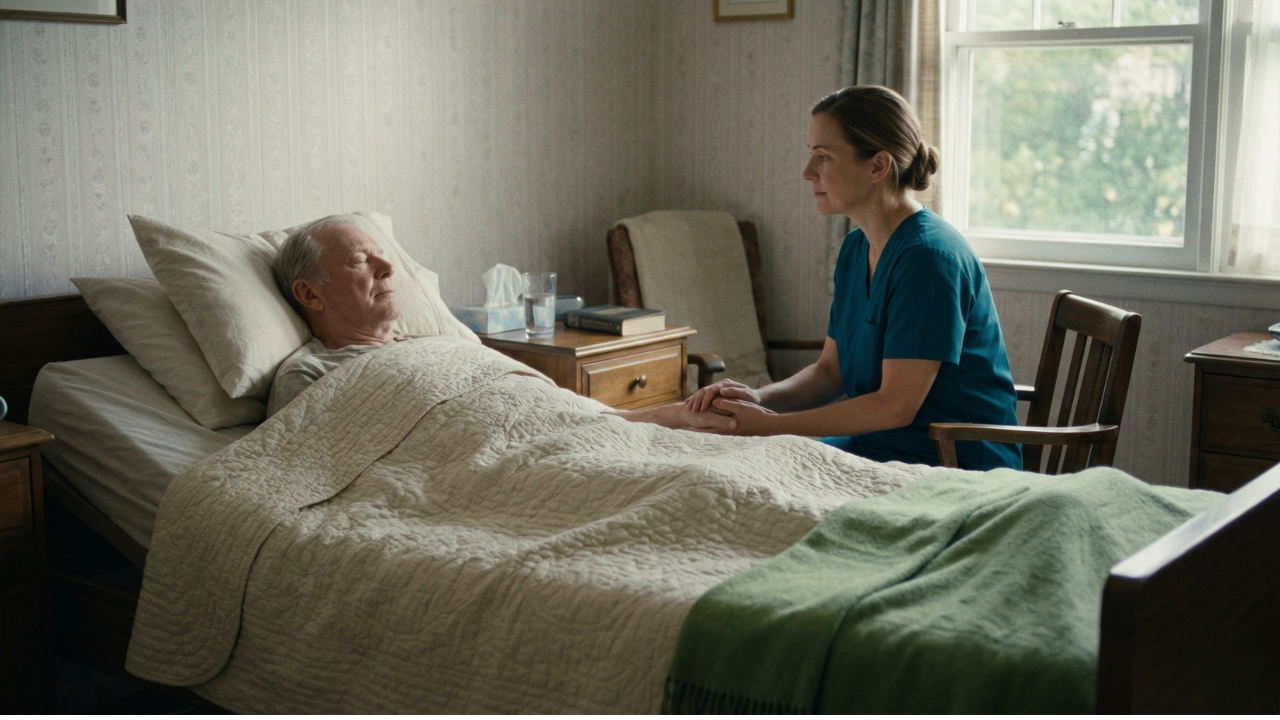
A vascular dementia diagnosis raises questions that families often do not know how to ask out loud. How long do we have? What will this look like? What can we do to help? This article is written for those families.
Vascular dementia is the second most common form of dementia after Alzheimer’s disease. It affects memory, thinking, and behavior, but its causes, progression, and care needs are distinct. Understanding what vascular dementia is, how it progresses, and what support is available can help families feel more prepared and less alone.
At Bristol Hospice, we walk alongside families through some of the most profound and difficult chapters of their lives across 78 locations in 25 states. This article provides general educational information. For guidance specific to your loved one’s situation, please speak with their physician or care team.
What Is Vascular Dementia?
Vascular dementia is a type of dementia caused by reduced blood flow to the brain, which damages brain cells over time. It can develop after a stroke, a series of small strokes, or other conditions that affect the blood vessels supplying the brain.
Unlike Alzheimer’s disease, which involves a gradual and continuous decline, vascular dementia often progresses in steps. A person may remain relatively stable for a period of time and then experience a sudden decline following another stroke or vascular event. This pattern is sometimes called stepwise progression.
Vascular dementia can occur on its own or alongside other forms of dementia. When it occurs with Alzheimer’s disease it is called mixed dementia, which is more common than many families realize.
Understanding what hospice care is and how it supports families facing serious illness can be helpful as you navigate this diagnosis alongside your loved one’s medical team.
What Causes Vascular Dementia?
Vascular dementia is caused by conditions that damage the blood vessels in the brain or reduce blood flow to brain tissue. Common causes include:
- Stroke, including both major strokes and small silent strokes that may go unnoticed
- Chronic high blood pressure that damages blood vessel walls over time
- Atherosclerosis, a narrowing of the arteries that reduces blood flow
- Diabetes, which increases the risk of blood vessel damage throughout the body
- Heart disease and atrial fibrillation, which can increase the risk of blood clots reaching the brain
Because many of these conditions are related to cardiovascular health, vascular dementia is sometimes preventable or its progression may be slowed when underlying conditions are managed early. However once significant brain damage has occurred, it cannot be reversed.
Symptoms of Vascular Dementia
The symptoms of vascular dementia vary depending on which areas of the brain have been affected by reduced blood flow. Unlike Alzheimer’s disease, memory loss may not be the first or most prominent symptom.
Common symptoms include:
- Difficulty with planning, organizing, and problem solving
- Slowed thinking and processing speed
- Confusion and disorientation, particularly in unfamiliar settings
- Memory problems, which may be less severe than in Alzheimer’s disease early on
- Difficulty with concentration and attention
- Changes in mood, including depression, anxiety, and emotional instability
- Physical symptoms such as weakness on one side of the body, balance problems, or difficulty walking
- Changes in speech or difficulty finding words
Some individuals with vascular dementia also experience sundowning symptoms, including increased confusion, restlessness, and agitation in the late afternoon and evening hours. This is particularly common in more advanced stages of the disease.
Stages of Vascular Dementia
Vascular dementia does not always follow the same predictable stages as Alzheimer’s disease. Because it often progresses in steps rather than a smooth decline, the experience can vary significantly from person to person. However families generally observe three broad phases.
Early stage. In the early stage a person with vascular dementia may have noticeable difficulty with complex tasks, planning, and organization. They may seem slower to process information or respond to questions. Mood changes, including depression and irritability, are common. Many people in the early stage can still live independently with some support.
Middle stage. In the middle stage symptoms become more pronounced and daily life requires increasing assistance. Memory problems become more significant. The person may become confused about time, place, and familiar people. Physical symptoms such as balance problems and difficulty walking may worsen. Behavioral changes including agitation, repetitive behaviors, and sleep disturbances are common. Caregiving demands increase substantially during this stage.
Late stage. In the late stage the person with vascular dementia is typically fully dependent on others for all aspects of care. They may lose the ability to communicate verbally, walk, or swallow safely. Recurrent infections such as pneumonia become more common. At this stage hospice care is often the most compassionate and appropriate option, focused entirely on comfort, dignity, and quality of life for both the patient and family.
Vascular Dementia Life Expectancy
One of the most difficult questions families face after a vascular dementia diagnosis is how much time they have. The honest answer is that life expectancy varies significantly and is difficult to predict with precision.
On average, people live five to ten years after a vascular dementia diagnosis, though some live longer and others for a shorter period. Life expectancy depends on several factors including the severity of the initial brain damage, the underlying cardiovascular conditions involved, the person’s overall health and age at diagnosis, and whether additional strokes or vascular events occur.
Because vascular dementia often progresses in steps following new vascular events, the timeline can be difficult to anticipate. A person may be relatively stable for months and then experience a significant decline following a new stroke or cardiac event.
What matters most is not predicting the exact timeline but ensuring that the time available is lived with as much comfort, dignity, and meaningful connection as possible.
When Is Hospice Appropriate for Vascular Dementia?
Hospice care becomes appropriate for vascular dementia when the disease has progressed to the point where the focus shifts from treatment to comfort and quality of life. A physician must certify a prognosis of six months or less if the illness follows its expected course.
For individuals with vascular dementia, signs that hospice may be appropriate include:
- Significant difficulty or inability to swallow safely
- Recurrent infections such as pneumonia or urinary tract infections
- Significant unintentional weight loss
- Loss of the ability to walk or transfer without full assistance
- Increasing pain or discomfort requiring active management
- Frequent hospitalizations or emergency visits
- A decision by the family and medical team to focus on comfort rather than continued intervention
Families do not need to wait until the very end of life to consider hospice. Starting hospice care earlier allows patients and families more time to benefit from the full support it provides. Many families tell us they wish they had called sooner.
It is also worth understanding the difference between hospice and palliative care as you consider what type of support is most appropriate for your loved one at each stage of the illness.
How Bristol Hospice Supports Families Facing Vascular Dementia
Caring for a loved one with vascular dementia is emotionally and physically demanding. The unpredictable stepwise progression, the increasing caregiving demands, and the grief of watching someone you love change over time can take a significant toll on families.
Bristol Hospice provides care that supports the whole person and the whole family. Our interdisciplinary teams include nurses, social workers, chaplains, home health aides, and trained volunteers who work together to provide compassionate support wherever your loved one calls home.
We provide symptom management to keep your loved one comfortable, caregiver education and support so families feel less alone and more prepared, emotional and spiritual support throughout the journey, and bereavement care for families after loss for up to 13 months.
Bristol Hospice serves families across 78 locations in 25 states. Care is provided at home, in assisted living communities, and in skilled nursing facilities.
Frequently Asked Questions About Vascular Dementia
What is the difference between vascular dementia and Alzheimer’s disease?
Alzheimer’s disease is caused by protein deposits in the brain and typically begins with memory loss. Vascular dementia is caused by reduced blood flow to the brain and often begins with problems in thinking, planning, and processing speed. Vascular dementia frequently progresses in steps following strokes or vascular events rather than as a gradual continuous decline.
How long do people live with vascular dementia?
On average people live five to ten years after a vascular dementia diagnosis, though this varies significantly based on the severity of the condition, underlying health factors, and whether additional vascular events occur. Life expectancy is difficult to predict precisely.
Can vascular dementia be prevented?
Managing cardiovascular risk factors such as high blood pressure, diabetes, high cholesterol, and atrial fibrillation may reduce the risk of vascular dementia or slow its progression. However once significant brain damage has occurred it cannot be reversed.
What are the stages of vascular dementia?
Vascular dementia generally progresses through early, middle, and late stages. Early stage involves difficulty with complex tasks and mood changes. Middle stage involves increased memory loss, confusion, and growing dependence on caregivers. Late stage involves full dependence, loss of communication, and significant physical decline.
When should hospice be considered for vascular dementia?
Hospice is appropriate when the disease has progressed significantly and the focus shifts to comfort rather than treatment. Signs include difficulty swallowing, recurrent infections, significant weight loss, loss of mobility, and increasing dependence for all care needs. Starting hospice earlier gives families more time to benefit from the full range of support available.
Does hospice care hasten death?
No. Hospice care does not hasten death. Research shows that hospice patients sometimes live longer because symptoms are managed, stress is reduced, and hospitalizations are avoided. The goal of hospice is comfort, dignity, and quality of life.
Can someone with vascular dementia receive hospice care at home?
Yes. Bristol Hospice provides care wherever a patient lives including at home. Home hospice for vascular dementia includes regular visits from nurses, social workers, chaplains, and home health aides, with 24 hour phone support available at all times.
You Do Not Have to Face This Alone
A vascular dementia diagnosis is frightening and the road ahead can feel uncertain. Bristol Hospice is here to walk alongside your family through every stage of this journey with compassion, expertise, and unwavering presence.
Our care teams are available 24 hours a day, 7 days a week. There is no obligation and no pressure. If you have questions about whether hospice may be right for your loved one, we are here to help you find the answers.
Bristol Hospice provides compassionate hospice care across 78 locations in 25 states. To learn more visit bristolhospice.com or talk to our care team today.
This article is for general educational purposes only and does not constitute medical or clinical advice. Every patient’s situation is unique. Please consult a qualified healthcare professional for guidance specific to your loved one’s diagnosis and care needs.