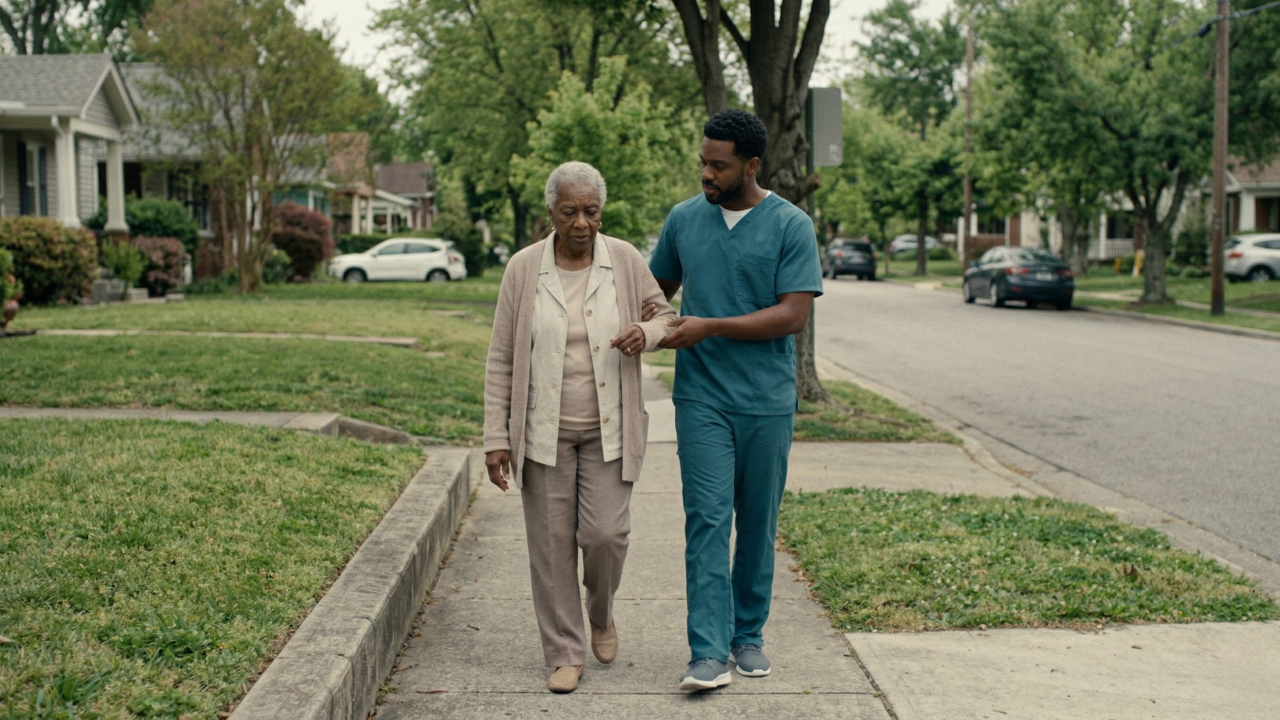
How to Keep Family Members Updated During Hospice Care

When someone you love is receiving hospice care, family members often want to stay informed, offer support, and feel connected, even when they cannot be there in person.
A sibling may live across the country. Grandchildren may be balancing school and work. Close friends may be asking when they can visit. Other relatives may want to know how their loved one is doing.
While these questions usually come from a place of care, responding to everyone individually can become overwhelming for the person coordinating family communication.
There may be phone calls to return, messages to answer, appointments to manage, and important moments to spend together.
That is why learning how to keep family updated during hospice care can make a meaningful difference.
A simple communication plan can help relatives stay connected, reduce repeated questions, protect the patient’s privacy, and give caregivers more time to focus on what matters most.
Here are practical ways to share family updates thoughtfully, including how to involve relatives who live far away.
1. Start by Asking What Your Loved One Wants Shared
Before creating a family group chat or sending updates, begin with the person receiving hospice care whenever possible.
Some people are comfortable having relatives know about changes in their health. Others prefer to keep certain information private or share it only with a few trusted people.
Those preferences matter.
If your loved one can participate in the conversation, consider asking:
- Who would you like us to keep updated?
- What information are you comfortable sharing?
- Would you prefer phone calls, messages, or private conversations?
- Are there relatives or friends you would like to speak with personally?
- Would you like to be included in family group messages?
- Are there details you would prefer we keep private?
These questions can help families create a communication plan that reflects the patient’s wishes rather than making assumptions.
If the person cannot communicate their preferences, follow any known wishes and the guidance of the appropriate authorized decision-maker.
Being a family member does not automatically give someone permission to receive every detail about another person’s health.
Hospice providers also have privacy obligations regarding protected health information. Families should ask the care team how information can appropriately be shared with relatives and designated contacts.
A thoughtful family update should always begin with respect for the person at the center of the care.
2. Choose One Primary Family Contact
One of the simplest ways to organize hospice family communication is to identify a primary family contact.
This person can help coordinate nonclinical updates, answer routine questions, and communicate information that the patient has agreed may be shared.
Without a central point of contact, several relatives may independently call the same caregiver or ask the hospice team similar questions.
That can create confusion and unnecessary repetition.
A primary contact might be:
- An adult child
- A spouse or partner
- A sibling
- Another trusted relative
- A person chosen by the patient to help communicate with family
The best choice is not necessarily the oldest family member or the person who lives closest.
It may be someone who has the time, communication skills, and willingness to help.
It is also helpful to choose a backup contact in case the primary person becomes unavailable.
Important: Being the family’s communication coordinator does not automatically make someone a legal healthcare decision-maker or authorize them to receive medical information. The hospice team should be informed of the patient’s authorized contacts and communication preferences.
3. Create a Simple Family Communication Plan
A family communication plan does not have to be complicated.
In many situations, a few agreed-upon expectations can make updates easier for everyone.
Consider deciding:
- Who will coordinate family updates
- Which relatives should receive them
- What type of information can be shared
- How updates will be delivered
- How frequently routine updates may be sent
- Who should be contacted if an urgent family decision arises
- How relatives can offer help without overwhelming the caregiver
For example, a family might agree that one adult daughter will send a brief update to a small group of relatives every few days, when there is something appropriate to share.
Other families may prefer a weekly phone call or individual messages to a few close relatives.
There is no single approach that works for everyone.
The goal is to establish a system that feels manageable and respects the patient’s preferences.
4. Use a Family Group Text Thoughtfully
Group texts can be a convenient way to share information with several relatives at once.
Instead of answering the same question repeatedly, one message can help everyone receive the same general update.
However, a group conversation can quickly become overwhelming if it includes too many people or generates constant notifications.
Before creating one, ask whether the intended participants would find it helpful and whether the patient has agreed to the information being shared.
Consider these guidelines:
- Keep the group limited to people who need or have permission to receive updates.
- Use clear, respectful language.
- Avoid sharing unnecessary medical details.
- Ask relatives not to forward messages or screenshots without permission.
- Encourage family members to avoid repeatedly requesting updates.
- Keep unrelated conversations in a separate group.
- Respect the communication coordinator’s availability.
A group text should make communication easier, not create another task that requires constant attention.
It can also help to explain that the group is for occasional family updates rather than continuous discussion.
5. What Should You Include in a Hospice Family Update?
Not every family update needs to include medical information.
Often, relatives simply want to know how their loved one is spending their time and whether there are meaningful ways to stay connected.
Depending on the patient’s wishes, an update might include:
- A brief, general description of how the day has been
- Whether the person has been enjoying visits or quiet time
- Any preferences about upcoming visits
- Opportunities to send cards, messages, or recordings
- Family activities or meaningful moments the patient has agreed to share
- Practical ways relatives can help
- Plans for a family call or gathering
For example, a family update might say:
“Hi everyone. We wanted to share a quick family update. We’ve been enjoying some quiet time together this week, and we’re keeping visits short for now. If you’d like to send a card or a short message, we’d be happy to share it. Thank you for thinking of us.”
This type of message communicates what relatives need to know without providing detailed health information.
If the patient has authorized sharing specific medical updates, keep the information accurate and within the scope of that permission.
Avoid guessing about symptoms, treatment decisions, or what may happen next.
When clinical questions arise, the appropriate hospice team members are the best source of information for authorized individuals.
6. You Do Not Have to Send Updates Every Day
Families sometimes feel pressure to provide daily reports, especially when relatives live far away.
But constant updates are not always necessary or practical.
The person coordinating communication may also be working, caring for children, managing household responsibilities, or spending time with their loved one.
Consider setting reasonable expectations early.
You might tell relatives:
“We’ll share updates when we can, but we may not be able to respond to individual messages right away. We appreciate everyone’s understanding.”
This helps family members understand that a delayed response does not necessarily mean something has happened.
It also gives caregivers permission to step away from their phones.
Some families may choose a regular update schedule. Others may communicate only when there is something meaningful to share.
Either approach can work when everyone understands the plan.
7. How to Include Family Members Who Live Far Away
Distance can make it harder for relatives to feel connected during hospice care.
Someone living in another state or country may not be able to visit frequently because of work, finances, health, or family responsibilities.
However, being physically far away does not mean someone cannot participate in meaningful ways.
With the patient’s agreement and comfort in mind, consider:
- Scheduling a short video call
- Arranging a phone conversation
- Sharing a voice message from a relative
- Collecting handwritten notes or cards
- Sending family photographs electronically
- Recording a short greeting from grandchildren
- Including distant relatives in appropriate family discussions
- Inviting relatives to help with practical tasks remotely
For example, a relative who lives far away might help coordinate grocery deliveries, organize a family meal schedule, or handle an administrative task with permission.
These contributions can be useful even when an in-person visit is not possible.
The key is to find ways to connect that feel comfortable for the person receiving care and manageable for the household.
8. Make Video Calls Comfortable and Optional
Video calls can help families see and hear one another across long distances.
They may be especially meaningful when relatives cannot travel.
However, a person receiving hospice care may not always feel comfortable appearing on camera or participating in a long conversation.
Before arranging a call, consider:
- Does the person want to participate?
- Would a short call be preferable?
- Is there a comfortable time of day?
- Would a phone call be easier than video?
- Would one or two relatives be less overwhelming than a large group?
- Would a recorded greeting be more convenient?
Keep expectations flexible.
A five-minute conversation may be more comfortable than a long family gathering on a screen.
Some days, your loved one may prefer not to participate at all.
That preference should be respected.
Do not record or share video calls without appropriate permission from the people involved.
9. Avoid Making the Primary Caregiver Answer Every Question
When one family member is providing most of the day-to-day support, relatives may naturally direct all their questions to that person.
Over time, this can create an additional burden.
Instead of asking the caregiver for frequent individual updates, family members can help by following the agreed communication plan.
They can also ask what practical responsibilities they might take on.
For example:
- One relative could coordinate meals.
- Another could organize transportation for visitors.
- Someone could help manage household errands.
- A distant family member could organize messages or cards.
- Another person could handle routine scheduling with permission.
These arrangements can distribute responsibilities more evenly.
They also allow the primary caregiver to spend less time coordinating everyone else’s needs.
If you are a friend or extended family member looking for ways to help, our guide on how to support a friend whose loved one is in hospice offers additional practical ideas.
10. What If Family Members Disagree About Updates?
Not everyone in a family will have the same expectations about communication.
One relative may want frequent phone calls. Another may prefer a weekly message. Someone else may ask for detailed information that the patient does not want shared.
These differences can create tension, particularly when family members are worried or uncertain.
Try to keep conversations focused on a few important principles:
- The patient’s wishes and privacy come first.
- Medical information should be shared only when appropriate and authorized.
- Caregivers need reasonable boundaries around their time.
- Relatives can express concerns respectfully.
- Not everyone needs to receive the same level of detail.
- Family communication should not interfere with the patient’s comfort.
If disagreements become difficult to manage, ask the hospice team whether a social worker or another appropriate team member can help facilitate a conversation.
Hospice social workers may assist patients and families with communication, emotional support, and practical concerns as part of the individualized plan of care.
For more information about the people involved in hospice services, read who is on the hospice care team.
11. Protect Privacy When Sharing Photos and Updates
Family members may want to share photographs, videos, or updates with relatives and friends.
These moments can be meaningful, but it is important to consider privacy before posting or forwarding anything.
A private family message can sometimes be shared more widely than originally intended.
Before sending a photograph or update, consider:
- Has the person agreed to the photograph or information being shared?
- Who will be able to see it?
- Could the message be forwarded or saved?
- Does the photograph reveal private health information?
- Are other people in the image comfortable with it being shared?
- Would the patient prefer that this moment remain private?
Avoid posting information about someone’s health on social media without appropriate permission.
Also be cautious about sharing medication lists, medical documents, care instructions, or other sensitive information through large family group chats.
For medical information, follow the hospice provider’s approved communication process.
Protecting privacy is one way to honor your loved one’s dignity.
12. Know When a Family Group Chat Is Not Enough
Family group messages can help relatives stay connected, but they should not replace direct communication with the hospice care team.
If a patient has a new or concerning symptom, an unexpected change, or an urgent care need, the appropriate caregiver or authorized contact should use the hospice team’s established contact instructions rather than waiting for relatives to respond in a group chat.
Similarly, questions about medications, symptoms, equipment, or the care plan should be directed to the hospice team by someone authorized to discuss the patient’s care.
Family members should not make clinical decisions based on group messages or unverified information.
For emergencies, follow the patient’s care plan and the hospice team’s guidance about whom to contact and when emergency services may be necessary.
Clear boundaries between family updates and medical communication can help avoid confusion.
13. Share Meaningful Moments, Not Only Health Updates
When a loved one is receiving hospice care, family conversations can gradually become centered on medical questions and daily changes.
Those topics may be important, but they do not have to be the only things families discuss.
With the patient’s permission, consider sharing moments that reflect who they are as a person.
For example:
- A favorite story they shared
- A meaningful family memory
- A song they enjoyed listening to
- A visit from a close friend
- A funny conversation or familiar joke
- A favorite family tradition
- A simple moment of connection
These updates can help distant relatives feel included in family life without reducing every conversation to a medical report.
They can also create opportunities for loved ones to respond with their own stories, memories, and messages.
Not every update needs to be serious.
Families can continue to share warmth, humor, and ordinary moments while navigating hospice care.
14. Help Children and Grandchildren Stay Connected
Children and grandchildren may have questions about a loved one receiving hospice care.
They may also want to participate in family communication in ways that feel familiar and comfortable.
Depending on their age, understanding, and the family’s preferences, children might:
- Draw a picture
- Write a short note
- Record a greeting
- Join a brief video call
- Share a favorite memory
- Choose a photograph to send
These activities should be invitations rather than expectations.
Some children may be eager to participate, while others may need time or prefer different ways to express themselves.
Use honest, age-appropriate language when answering their questions.
It can also help to ask what they understand and what they would like to know.
For additional guidance, explore our article on how to talk to children about hospice.
15. What If Your Loved One Becomes Too Tired to Communicate?
Some people receiving hospice care experience changes in energy, alertness, or their ability to participate in conversations.
These changes can affect how families communicate and may require adjustments to visits, phone calls, and messages.
If your loved one becomes less interested in conversation, avoid pressuring them to respond to every relative.
Instead, consider gentler forms of connection.
Depending on their preferences and comfort, family members might:
- Send a short voice message
- Share a simple written note
- Arrange a brief visit when appropriate
- Offer quiet companionship
- Play familiar music with permission
- Allow the person to rest without interruption
Not every message needs a response to be meaningful.
However, families should not assume the reason for a change in communication.
If there is a new or concerning change in alertness, responsiveness, or comfort, contact the hospice team for guidance.
Our article on why hospice patients sleep more provides additional general information about changes in rest and alertness.
16. Remember That Family Communication Can Change Over Time
A communication plan that works well today may need to change later.
Family members may arrive for visits, travel schedules may shift, or the person receiving care may prefer more privacy.
The primary caregiver may also need a break from coordinating messages.
It is okay to adjust the plan.
You might:
- Change how often routine updates are sent
- Ask another relative to coordinate messages temporarily
- Move from group messages to individual calls
- Limit updates to a smaller circle of relatives
- Pause video calls when the patient prefers rest
- Revisit the patient’s wishes about sharing information
Communication should remain flexible enough to support the patient and family rather than becoming another obligation.
17. How to Communicate With Family After a Loved One Dies
Families may also need to share news with relatives and friends after a loved one dies.
These conversations can be deeply personal, and there is no single right way to approach them.
Whenever possible, the people closest to the individual should decide how and when the information will be shared, while respecting any known wishes and relevant family circumstances.
It may help to identify who will contact immediate family members and who can help notify extended relatives or friends.
Some people may appreciate receiving a personal phone call rather than learning the news through a group message or social media.
Consider allowing time for important conversations before making a public announcement.
Family members can also help one another with practical communication tasks, such as notifying friends or coordinating memorial information, with permission.
For additional guidance on supporting people after a loss, read our article on what to say to someone who is grieving.
A Simple Hospice Family Update Template
If you are responsible for communicating with relatives, having a basic template can make the process easier.
Here is an example that can be adapted to your family’s preferences and the patient’s wishes:
Hi everyone,
We wanted to share a quick family update.
We’re spending some quiet time together and keeping things comfortable and relaxed. We appreciate all the messages and support.
For now, we’re asking everyone to coordinate visits with us ahead of time. If you’d like to send a card or a short message, we’d be happy to pass it along.
We’ll share another update when we can. Please don’t worry if we’re slow to respond individually.
Thank you for being here for our family.
This example intentionally avoids medical details.
Families can personalize it with information the patient has agreed may be shared.
There is no need to make every update lengthy or formal.
A Family Communication Checklist During Hospice Care
Use this simple checklist to organize updates while keeping your loved one’s comfort and preferences at the center.
- Ask the patient what information they want shared, when possible.
- Confirm appropriate contacts and permissions with the hospice team.
- Choose a primary family communication coordinator.
- Identify a backup contact.
- Decide which relatives should receive routine updates.
- Choose a manageable communication method.
- Set expectations about response times.
- Keep medical questions directed to the hospice team.
- Ask before sharing photographs, videos, or health information.
- Offer ways for distant relatives to participate.
- Share meaningful family moments when appropriate.
- Adjust the plan as needs and preferences change.
A clear plan can reduce confusion and help everyone focus on supporting the person receiving care.
How Bristol Hospice Supports Family Communication
At Bristol Hospice, we recognize that communication is an important part of supporting patients and families during serious illness.
Hospice care is centered on comfort, dignity, and individualized support for people with life-limiting illnesses.
Care also involves helping families understand the patient’s needs and available resources.
Depending on the patient’s circumstances and plan of care, the interdisciplinary hospice team may include nurses, medical social workers, spiritual care providers, hospice aides, and other professionals.
Team members can help authorized individuals understand the care plan, discuss concerns, and identify appropriate resources.
Medical social workers may also help families navigate communication challenges, caregiving concerns, and emotional needs.
If your family is unsure how to coordinate communication with the hospice team, ask about designated contacts, information-sharing permissions, and the appropriate process for receiving care updates.
To learn more about available hospice support, contact Bristol Hospice.
Frequently Asked Questions About Keeping Family Updated During Hospice Care
How do you keep family members updated during hospice care?
Start by asking the patient what information they want shared, when possible. Choose a primary family contact, decide which relatives should receive updates, and use a manageable communication method such as a group text or scheduled phone call. Keep updates respectful, protect privacy, and avoid creating unnecessary work for caregivers.
Should one family member be responsible for hospice updates?
Having one primary communication coordinator can help reduce repeated questions and confusion. It may also be useful to choose a backup. However, coordinating family messages does not automatically give someone authority to make healthcare decisions or receive protected medical information.
What should I include in a hospice family update?
Depending on the patient’s wishes, updates may include general information about visits, family activities, preferred ways to stay connected, and practical opportunities to help. Share medical information only when appropriate and authorized, and avoid speculation about the person’s condition or prognosis.
How often should I send updates to relatives?
There is no required schedule. Some families prefer updates every few days, while others communicate only when there is something meaningful to share. Choose an approach that respects the patient’s preferences and the caregiver’s time and availability.
Can family members receive medical updates directly from hospice?
Hospice providers must follow applicable privacy requirements and the patient’s authorization or other applicable legal permissions. Being related to the patient does not automatically entitle someone to all medical information. Ask the hospice team about designated contacts and how information can appropriately be shared.
How can relatives who live far away stay involved?
With the patient’s agreement, distant relatives can participate through short video calls, phone conversations, cards, voice messages, and family updates. They may also offer practical support by arranging deliveries or helping coordinate tasks remotely.
Is it okay to share hospice updates in a family group chat?
A family group chat can be useful when the patient has agreed to the information being shared and the participants are appropriate recipients. Avoid including unnecessary medical details, forwarding private messages without permission, or posting sensitive information publicly.
What if relatives disagree about what should be shared?
Keep the patient’s wishes and privacy at the center of the conversation. Establish clear expectations about who receives updates and what information can be shared. If family communication becomes difficult, ask whether a hospice social worker or another appropriate team member can help facilitate discussion.
What if my loved one is too tired to talk on the phone?
Respect their comfort and preferences. A short written message, voice recording, or quiet visit may be more appropriate than a long conversation. Do not pressure the person to respond. Contact the hospice team if there is a new or concerning change in alertness, responsiveness, or comfort.
Should families use a group chat for urgent medical concerns?
No. Family group chats are not a substitute for communicating directly with the hospice care team. For new or concerning symptoms or urgent care needs, follow the patient’s care plan and the hospice team’s contact instructions. For emergencies, follow the team’s guidance about when emergency services may be necessary.
Staying Connected Without Adding More Pressure
Keeping family members informed during hospice care does not have to mean constant phone calls, detailed reports, or daily messages.
Sometimes a brief update is enough.
Sometimes a video call helps relatives feel closer.
And sometimes the most helpful choice is to put the phone away and spend quiet time together.
Every family has different relationships, routines, and communication needs.
What matters most is creating an approach that respects your loved one’s wishes, protects their privacy, and allows family members to support one another.
With a thoughtful plan and realistic expectations, communication can become a source of connection rather than another responsibility.
Learn More About Hospice Care and Family Support
Bristol Hospice provides compassionate hospice care and support for eligible patients and families. Whether you are learning about hospice for the first time or looking for practical ways to support someone you love, educational resources can help you feel more informed.
Explore these related articles:
- How to Support a Friend Whose Loved One Is in Hospice
- Visiting Someone in Hospice: What to Say, Bring, and Avoid
- What to Bring When Visiting Someone in Hospice: Thoughtful Ways to Show You Care
- Who Is on the Hospice Care Team? Understanding the People Who Support You
- What Hospice May Provide at Home: Support, Supplies, and Comfort Care
- Hospice Care Frequently Asked Questions
To learn more about hospice services and family support, contact Bristol Hospice or call 1-855-BRISTOL.
This article is for general educational purposes only and does not constitute medical, legal, mental health, insurance, financial, or emergency advice. Hospice eligibility, care services, supplies, medications, equipment, visit frequency, family support, communication permissions, and coverage vary based on the patient’s diagnosis, condition, individualized plan of care, location, applicable law, and payer. For questions about hospice care or whether your loved one may qualify, contact Bristol Hospice at 1-855-BRISTOL.