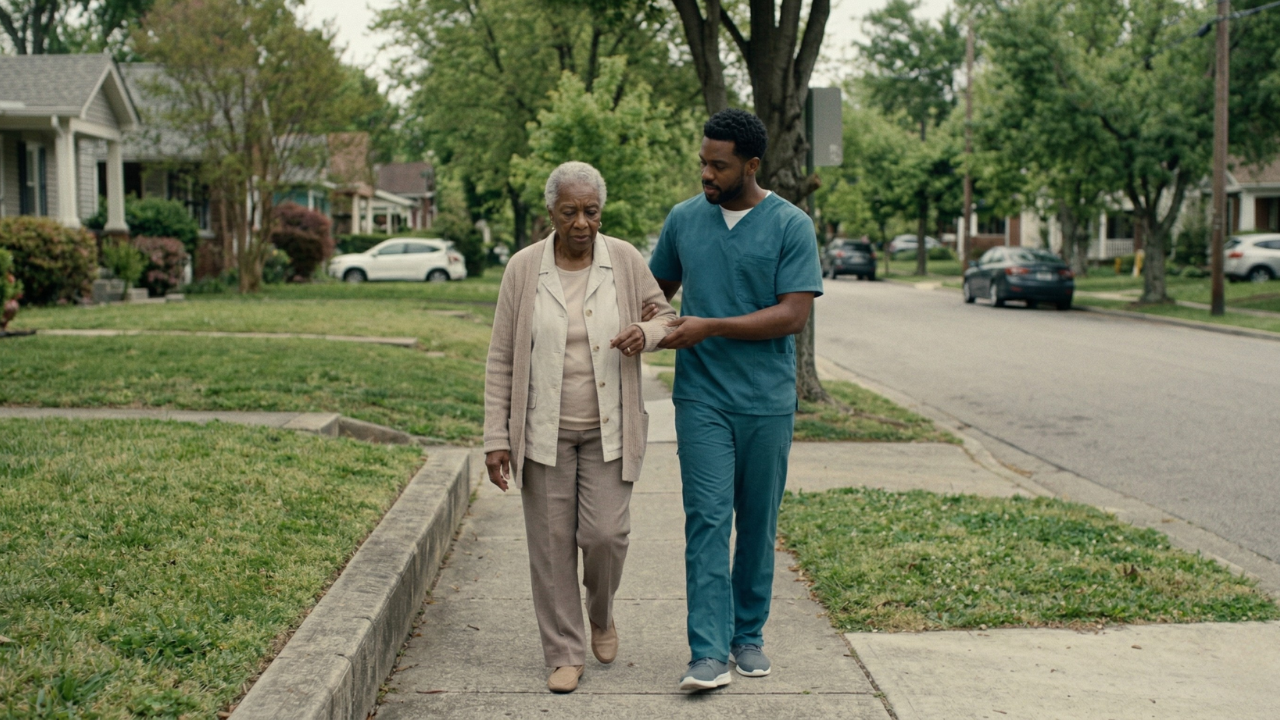
Can I Be a Hospice Volunteer? Small Moments That Make a Difference

Many people feel drawn to hospice volunteering, but hesitate before taking the next step.
They may wonder, “Would I know what to say?” “Do I need medical experience?” “What if I get emotional?” “What if I recently lost someone?” “What if I only have a little time to give?”
Those questions are normal. Hospice volunteering is meaningful work, but it can also feel unfamiliar at first. The good news is that hospice volunteers are not expected to have all the answers. They are not expected to provide medical care. They are not expected to fix grief, explain illness, or know the perfect words.
Hospice volunteers offer something deeply human: presence.
Sometimes that presence looks like conversation. Sometimes it looks like reading aloud, playing music, sitting quietly, listening to a life story, helping with a small office task, supporting a community event, or giving a caregiver a brief moment to breathe.
If you have ever wondered whether you could be a hospice volunteer, this guide can help you understand what hospice volunteering may look like, what volunteers do and do not do, how training helps, and how small acts of kindness can make a meaningful difference.
This article is for general educational purposes only. Volunteer roles, eligibility, training, background checks, schedules, requirements, and opportunities may vary by Bristol Hospice location, community needs, patient needs, and program availability. If you are interested in volunteering, contact your local Bristol Hospice volunteer team or visit our volunteer application page for current opportunities.
You Do Not Need to Have All the Right Words
One of the biggest fears people have about hospice volunteering is saying the wrong thing. They may worry they will not know how to comfort someone who is seriously ill or how to speak with loved ones who are grieving.
But hospice volunteering is not about having perfect words. It is about showing up with kindness, respect, and a willingness to listen.
Often, the most comforting things are simple:
- “I am glad to sit with you.”
- “Would you like me to read for a while?”
- “Would quiet feel better today?”
- “Tell me about that photo.”
- “I am happy to listen.”
You do not have to force a deep conversation. You do not have to make sadness disappear. You do not have to know what every moment needs.
Sometimes the most meaningful gift is calm, steady presence.
You Do Not Need Medical Experience
Another common concern is, “I am not a nurse. Can I still volunteer?”
Yes. Hospice volunteers do not need to be medical professionals. Hospice care is provided by trained clinical and support teams, including nurses, hospice aides, social workers, chaplains, physicians, and other care professionals.
Volunteers serve in defined, supervised roles. Their work is supportive, not clinical.
Depending on the location and volunteer role, volunteers may help with companionship, quiet presence, reading, conversation, music, caregiver support, office tasks, community outreach, or special projects. Volunteers are trained and guided before they begin.
You do not need a healthcare background to bring kindness, patience, and reliability.
What Hospice Volunteers May Do
Volunteer roles can vary by location, community needs, patient needs, and program availability. Some volunteers serve directly with patients and loved ones. Others support behind the scenes through administrative or community-based roles.
Hospice volunteer opportunities may include:
- Providing companionship to a patient
- Sitting quietly with someone who does not feel like talking
- Reading aloud from a book, prayer, poem, or article
- Playing soft music or listening to music together
- Looking through photos or listening to life stories
- Writing cards or helping with simple correspondence when appropriate
- Offering a calm presence while a caregiver takes a short break
- Helping with office tasks or community outreach
- Supporting special projects, events, or remembrance activities
Not every volunteer does every type of task. The right role depends on training, comfort level, availability, local needs, and program guidelines.
Hospice volunteering is not one single thing. There are many ways to serve.
What Hospice Volunteers Do Not Do
It is also important to understand what hospice volunteers do not do. Clear boundaries help protect patients, loved ones, volunteers, and the hospice team.
Hospice volunteers typically do not:
- Provide medical care
- Give medical advice
- Administer medications
- Make clinical decisions
- Lift, transfer, or move patients unless specifically trained and authorized within the program
- Replace paid caregivers or facility staff
- Handle tasks outside their assigned role
- Discuss private patient information outside appropriate hospice team channels
- Force spiritual conversations or personal beliefs
Volunteers are part of the care team, but they are not asked to do work outside their role. If a volunteer notices a concern, they report it to the hospice team rather than trying to manage it alone.
Good hospice volunteering is compassionate, but it is also guided, appropriate, and supported.
Why Presence Matters So Much
Hospice care often brings moments when there is nothing to “fix.” A person may be tired. A caregiver may be overwhelmed. A family may be quiet. A patient may not feel like talking.
In those moments, presence matters.
A volunteer may sit beside someone while they rest. They may listen as a patient remembers their childhood. They may read a favorite passage. They may hold space for silence. They may help someone feel seen as a person, not only as a patient.
These moments can seem small from the outside, but they can carry deep meaning.
Hospice volunteering reminds people that they are not forgotten. It can bring companionship, dignity, and human connection during a tender season of life.
What If I Am Nervous Around Illness or Death?
Feeling nervous does not automatically mean you should not volunteer. It may simply mean you understand that hospice is meaningful and want to approach it respectfully.
Many volunteers feel nervous at first. They may wonder how they will react, what the home or care setting will feel like, or whether they will know how to handle silence, sadness, or visible illness.
Training, orientation, and support help prepare volunteers. Volunteers learn about hospice philosophy, communication, boundaries, confidentiality, grief, patient and family needs, and how to ask for help from the hospice team.
You are not expected to walk into hospice volunteering without preparation.
If you are nervous, be honest during the volunteer process. The volunteer team can help you understand what roles may be the best fit for your comfort level.
What If I Recently Lost Someone?
Many people become interested in hospice volunteering after a personal experience with serious illness, caregiving, hospice, or grief. That desire to give back can be beautiful and meaningful.
At the same time, recent grief can still be tender. Some people may need more time before volunteering directly with patients and loved ones. Others may be ready for a different type of volunteer role, such as administrative or community support.
If you have recently experienced a loss, be open with the volunteer coordinator. They can help you think through timing, readiness, and what kind of role may be appropriate.
Wanting to help is meaningful. Taking care of your own grief matters too.
What If I Only Have a Little Time?
Some people assume hospice volunteering requires a large weekly commitment. In reality, volunteer schedules and opportunities can vary by location and program needs.
Some volunteers may serve on a consistent weekly or monthly schedule. Others may help with administrative support, events, community outreach, special projects, or other needs that fit their availability.
Reliability matters more than overcommitting. A small, consistent act of service can be more helpful than saying yes to more than you can realistically do.
If your schedule is limited, ask what opportunities may fit. There may be ways to serve that match your time, comfort level, and strengths.
Different Ways to Serve as a Hospice Volunteer
Hospice volunteering is not only one-on-one patient visits. While companionship is an important part of hospice volunteering, there may be other ways to support the mission.
Depending on the location and current needs, volunteer roles may include:
- Patient companionship: sitting with patients, listening, reading, music, conversation, or quiet presence
- Caregiver support: providing reassuring presence while caregivers take a brief break when appropriate
- Administrative support: helping with office tasks, mailings, organization, or program support
- Community outreach: assisting with events, education, or local volunteer efforts
- Special projects: helping with cards, memory projects, recognition activities, or remembrance efforts when available
- Veteran support: supporting Veteran-centered recognition or companionship opportunities when offered by the local program
Not all roles are available in every location. The volunteer team can help match your interests with current needs.
What Makes a Good Hospice Volunteer?
A good hospice volunteer does not need to be perfect, outgoing, or emotionally fearless. Many wonderful volunteers are quiet, thoughtful, and steady.
Helpful qualities include:
- Kindness
- Reliability
- Patience
- Respect for privacy
- Comfort with listening
- Willingness to learn
- Ability to follow boundaries
- Compassion without needing to fix everything
- Respect for different beliefs, cultures, and family dynamics
Hospice volunteering is not about being the center of attention. It is about being present in a way that supports the patient, loved ones, and care team.
Training Helps You Feel Prepared
Hospice volunteers receive training and orientation before they begin. This helps volunteers understand hospice care, their role, appropriate boundaries, communication, confidentiality, patient and family needs, and when to contact the hospice team.
Training may cover topics such as:
- Hospice philosophy
- The role of the volunteer
- Communication and listening skills
- Privacy and confidentiality
- Boundaries and professional expectations
- Emotional, social, and spiritual needs near the end of life
- Grief and loss
- Safety and infection control basics
- How to report concerns to the hospice team
Training requirements may vary by location and volunteer role. The goal is to help volunteers feel supported and confident before they serve.
You Are Not Alone as a Volunteer
Hospice volunteers do not serve alone without guidance. Volunteers are supervised and supported by the hospice team.
If a volunteer has a question, feels unsure about a visit, notices a change, or needs emotional support after a difficult moment, they can reach out to the volunteer coordinator or appropriate hospice team member.
That support matters. Hospice volunteering can be meaningful and rewarding, but volunteers should also feel guided, respected, and connected to the team.
At Bristol Hospice, volunteers are valued members of the care team. They work alongside nurses, aides, social workers, chaplains, and other team members to support quality of life through presence, compassion, and reliability.
What If I Get Emotional?
Hospice volunteering can touch the heart. It is normal to feel moved by someone’s story, a family’s gratitude, a quiet moment, or the reality of serious illness.
Being emotional does not mean you are not strong enough. It means you are human.
Volunteers are trained to maintain appropriate boundaries and provide calm support. They also learn when to step back, ask for guidance, or talk with the volunteer coordinator after a difficult experience.
The goal is not to become numb. The goal is to be compassionate and steady while also caring for your own emotional well-being.
What If I Am Quiet?
You do not need to be extremely outgoing to be a good hospice volunteer. Quiet people can be wonderful volunteers.
Some patients do not want constant conversation. Some appreciate a calm presence, someone to sit nearby, someone to read softly, or someone who is comfortable with silence.
Quiet support can be deeply meaningful.
If you are a quieter person, you may bring exactly the kind of peaceful presence someone needs.
What If I Want to Help but Do Not Want Direct Patient Visits?
That can be okay. Not every hospice volunteer role is a direct patient companionship role. Some volunteers may support the hospice mission through administrative work, community outreach, events, cards, special projects, or behind-the-scenes support.
These roles matter too. A hospice program depends on many forms of help, and not all meaningful service happens at the bedside.
If you feel called to support hospice but are unsure about patient visits, ask what non-patient-facing opportunities may be available at your local Bristol Hospice location.
How Hospice Volunteering Can Support Caregivers
Caregivers often carry a lot. They may be managing medications, meals, appointments, personal care, family updates, emotions, and the daily responsibilities of caring for someone they love.
A volunteer cannot replace the caregiver or provide medical care, but a volunteer may bring meaningful support.
Depending on the situation and volunteer role, this support may look like:
- Sitting with a patient while a caregiver takes a brief break
- Offering companionship so the caregiver feels less alone
- Providing a calm, friendly presence in the home
- Listening without judgment
- Helping the family feel supported by the broader hospice team
Even a short visit can help a caregiver feel seen and supported.
How Hospice Volunteering Can Support Patients
For patients, hospice volunteering can offer connection beyond clinical care. A volunteer visit may provide companionship, conversation, comfort, and a reminder that the patient is still a person with stories, preferences, humor, memories, and dignity.
A volunteer may ask about a favorite hobby, listen to music, read a chapter from a book, talk about sports, sit outside for a few minutes if appropriate, or simply be present when the patient does not want to be alone.
These moments can support quality of life in simple but meaningful ways.
Hospice volunteering is often less about doing something big and more about honoring someone through small, consistent acts of care.
Questions to Ask Before Becoming a Hospice Volunteer
If you are thinking about becoming a hospice volunteer, it may help to ask a few questions before you begin.
Helpful questions include:
- What volunteer roles are available at my local Bristol Hospice location?
- What training is required?
- Are background checks or health requirements needed?
- What kind of schedule is expected?
- Can I volunteer if I have limited availability?
- Can I help in an administrative or community role instead of direct patient visits?
- What support is available if I have questions or feel unsure?
- How are volunteers matched with patients or projects?
- What boundaries should volunteers understand?
- Is now a good time to volunteer if I recently experienced a loss?
Asking questions is not a sign of hesitation. It is a sign that you want to serve thoughtfully.
Signs Hospice Volunteering May Be a Good Fit
Hospice volunteering may be a good fit if you feel called to support others with compassion, patience, and respect.
You may be a good fit if you:
- Can listen without needing to fix everything
- Respect privacy and confidentiality
- Can follow guidance from the hospice team
- Are comfortable learning about end-of-life care
- Want to support patients, caregivers, or the hospice mission
- Can be reliable with the time you commit
- Believe small moments can matter
You do not need to know everything before you start. You need a willingness to learn, serve, and show up with care.
Hospice Volunteering Is About Small Moments That Matter
People sometimes imagine hospice volunteering as something heavy or dramatic. But many volunteer moments are quiet and simple.
A shared song. A short conversation. A hand-written card. A favorite memory. A few minutes of companionship. A caregiver who gets time to step outside. A patient who feels seen.
These moments may not look big, but they can carry deep meaning.
Hospice volunteering is a reminder that presence matters. Kindness matters. Listening matters. Showing up matters.
How to Become a Hospice Volunteer With Bristol Hospice
If you are interested in hospice volunteering, Bristol Hospice invites you to explore volunteer opportunities in your local community.
Volunteer opportunities may vary by location, but the heart of the work remains the same: supporting patients and loved ones with compassion, respect, and reliability.
To get started, you can visit the Bristol Hospice volunteering page or apply through the volunteer application site. A local volunteer team member can help explain current opportunities, training, requirements, and next steps.
You do not have to have all the answers before reaching out. Curiosity is a good place to begin.
Frequently Asked Questions About Becoming a Hospice Volunteer
Can I be a hospice volunteer without medical experience?
Yes. Hospice volunteers do not need to be medical professionals. Volunteers are trained and serve in supportive, non-clinical roles based on program needs and guidelines.
What does a hospice volunteer do?
Hospice volunteers may provide companionship, conversation, reading, music, quiet presence, caregiver support, administrative help, community outreach, or special project support. Roles vary by location and program needs.
Do hospice volunteers provide medical care?
No. Hospice volunteers typically do not provide medical care, give medical advice, administer medications, or make clinical decisions. Volunteers serve in defined roles under hospice team supervision.
Will I receive training before volunteering?
Yes. Hospice volunteers receive training and orientation before serving. Training helps volunteers understand hospice care, communication, boundaries, confidentiality, grief, and how to ask the hospice team for help.
What if I am nervous about volunteering around serious illness or death?
Feeling nervous is normal. Training and support can help you understand what to expect. You can also talk with the volunteer coordinator about what role may fit your comfort level.
Can I volunteer if I recently lost someone?
Maybe, but timing matters. If your grief is recent, speak honestly with the volunteer coordinator. They can help you consider whether now is the right time and whether a direct or behind-the-scenes role may be appropriate.
Do I need a lot of free time to volunteer?
Volunteer schedules vary by location and role. Reliability is important, but there may be opportunities for different levels of availability. Ask your local Bristol Hospice volunteer team what options are currently available.
Can I help without visiting patients directly?
Possibly. Some volunteer opportunities may include administrative support, community outreach, events, cards, or special projects. Availability varies by location and program needs.
What qualities make a good hospice volunteer?
Good hospice volunteers are kind, reliable, patient, respectful, willing to listen, able to follow boundaries, and open to learning. You do not need to be perfect or have all the right words.
How do I become a Bristol Hospice volunteer?
You can begin by visiting the Bristol Hospice volunteering page or applying through the volunteer application site. A local team member can explain current opportunities, training, requirements, and next steps.
You May Have More to Offer Than You Think
If you have been wondering whether you could be a hospice volunteer, you may already have the first quality that matters: the desire to help.
You do not need medical training. You do not need perfect words. You do not need to be fearless. You do not need unlimited time.
You need compassion, reliability, respect, and a willingness to be present.
Hospice volunteering is not about doing something grand. It is about small moments that remind people they are seen, supported, and not alone.
If that kind of service speaks to you, hospice volunteering may be a meaningful place to begin.
Explore Volunteer Opportunities at Bristol Hospice
Bristol Hospice provides compassionate hospice and palliative care for patients with serious illnesses across several states nationwide. Volunteers are valued members of the care team who help support patients and loved ones through presence, kindness, and community connection.
If you are interested in becoming a hospice volunteer, learn more about volunteering at Bristol Hospice or apply to volunteer.
You may also find these related resources helpful:
- Volunteering at Bristol Hospice
- The Role of Volunteers in Hospice Care: How They Make a Difference
- Who Is on the Hospice Care Team? Understanding the People Who Support You
- What Is Hospice Care?
- Visiting Someone in Hospice: What to Say, Bring, and Avoid
- When Someone You Love Is Afraid of Hospice: How to Talk Without Pressure
- Contact Bristol Hospice
This article is for general educational purposes only. Volunteer roles, eligibility, training, background checks, schedules, requirements, and opportunities may vary by Bristol Hospice location, community needs, patient needs, and program availability. For current volunteer opportunities, contact your local Bristol Hospice volunteer team or visit the volunteer application page.