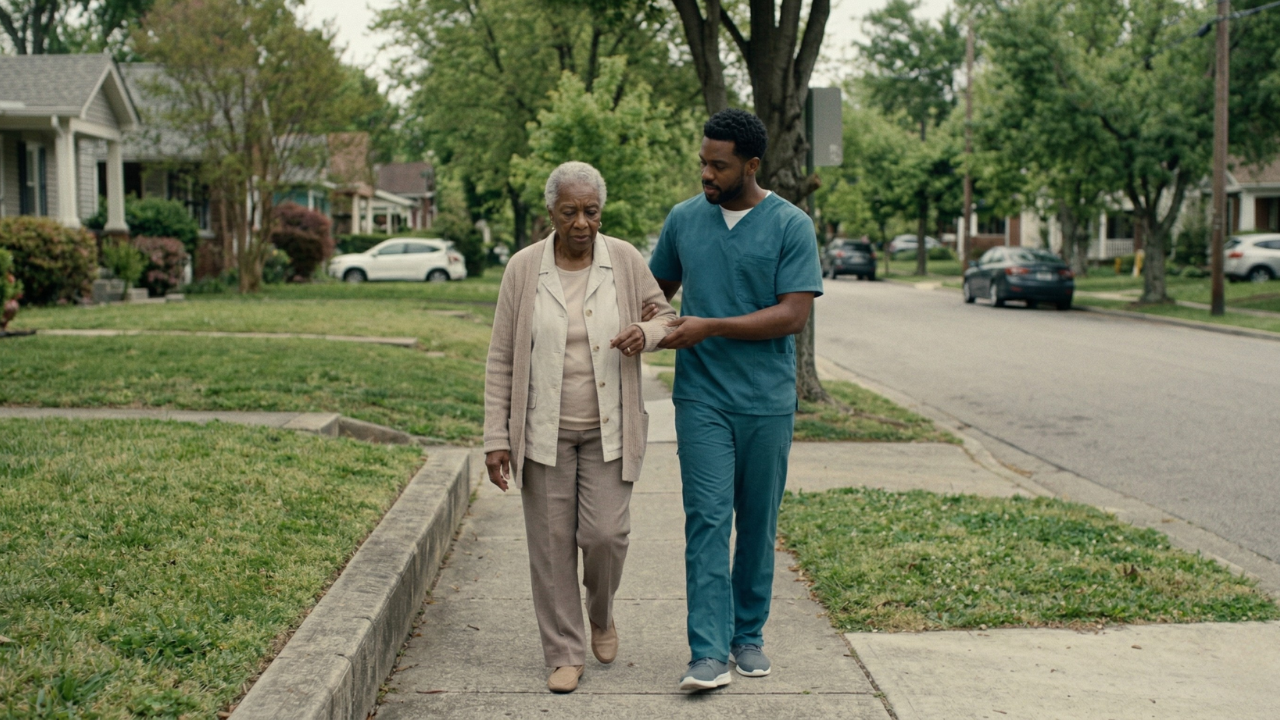
Holidays in Hospice Care: Finding Comfort During the Fourth of July
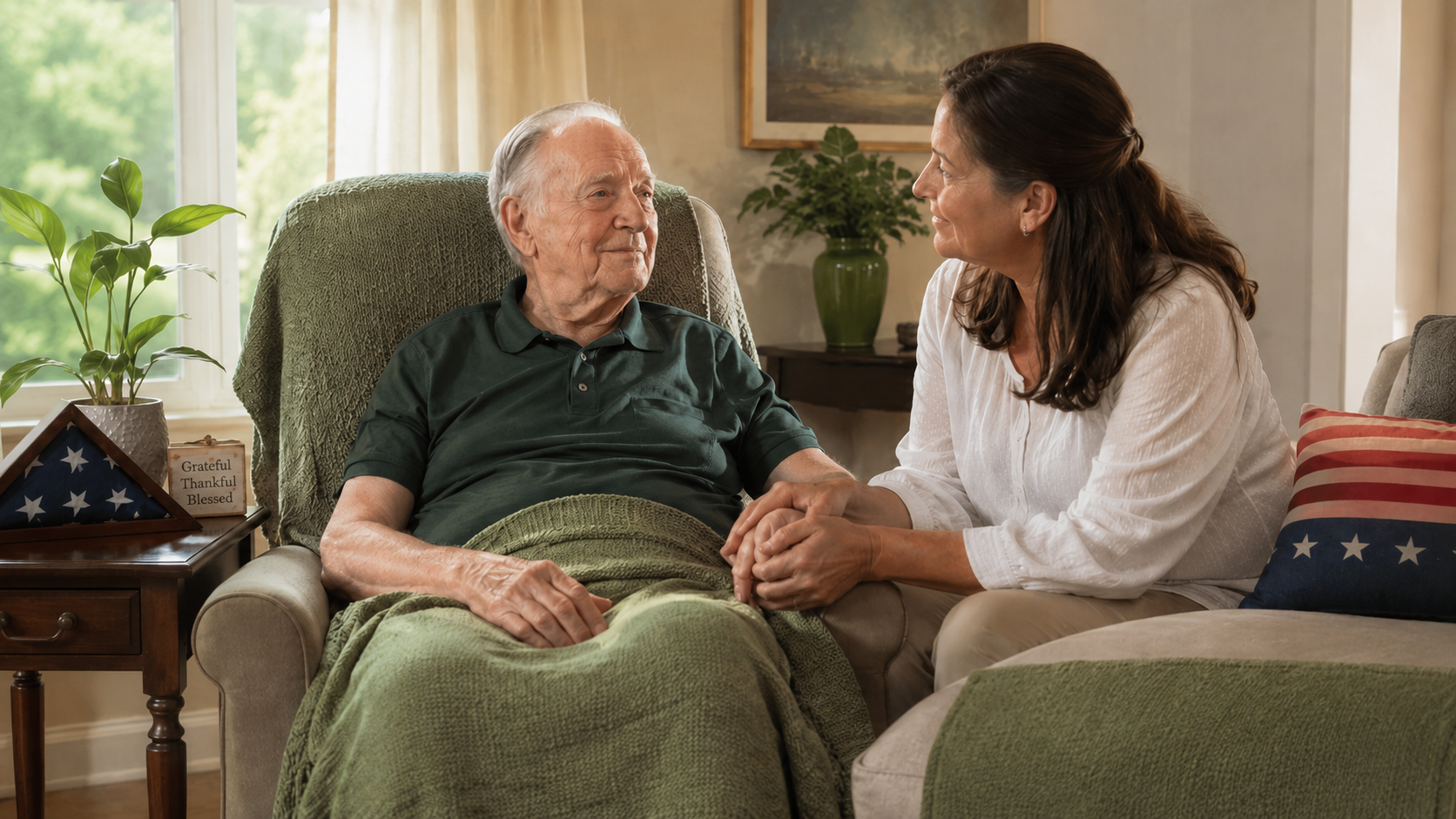
Holidays can feel different when someone you love is receiving hospice care. A day that once centered around gatherings, food, fireworks, travel, or traditions may now feel quieter, more emotional, or harder to plan.
The Fourth of July can bring its own mix of feelings. Some people may want to keep a familiar tradition. Others may feel too tired, overwhelmed, or sensitive to noise, heat, visitors, or activity. Loved ones may wonder how to honor the holiday without making the day too much.
There is no one right way to spend a holiday in hospice care. The goal is not to force celebration. The goal is comfort, dignity, connection, and support.
Sometimes the most meaningful holiday moments are small: a favorite song, a familiar meal, a quiet visit, a photo album, a short prayer, a cool room, or a few words of love shared at the bedside.
This guide offers gentle Fourth of July hospice care ideas, including how to manage visitors, food, heat, fireworks, fatigue, caregiver stress, Veterans’ memories, and grief during the holiday.
This article is for general educational purposes only and does not constitute medical, legal, or mental health advice. Every person’s needs and condition are different. If you have questions about food, visitors, heat, symptoms, medications, fireworks, anxiety, breathing changes, or changes in condition, contact the hospice team or medical provider for guidance.
Holidays in Hospice Care May Need to Look Different
When someone is in hospice care, holidays may need to become smaller, quieter, and more flexible. That does not make them less meaningful.
A person receiving hospice care may not have the energy for a long gathering. They may sleep more, eat less, speak less, or become tired after only a few minutes of company. Noise, heat, strong smells, bright lights, or too many visitors may feel overwhelming.
Instead of trying to recreate the holiday exactly as it used to be, loved ones can ask a different question: What would feel comforting now?
The answer may be simple. A short visit. A favorite patriotic song played softly. A small bowl of a favorite food, if safe. A family photo. A prayer. A quiet thank-you. A peaceful afternoon with fewer people in the room.
Hospice holidays do not need to be perfect. They need to be gentle.
Start With the Patient’s Comfort
Before planning anything for the Fourth of July, begin with the person’s comfort, energy, and wishes.
If they are able to communicate, ask what they would like. They may want a small tradition, a favorite dessert, a short visit from certain people, or no holiday activity at all. They may want to sit near a window, hear music, look at photos, or simply rest.
You might ask:
- “Would you like any Fourth of July music today?”
- “Would you like a few visitors, or would quiet feel better?”
- “Would you like to hear what everyone is doing today?”
- “Would you like us to bring a small favorite food, if the nurse says it is okay?”
- “Would you rather rest today?”
If the person cannot respond clearly, loved ones can consider what has usually brought them comfort: familiar voices, quiet music, a favorite blanket, spiritual support, family photos, or simply being near people they love.
Keep Gatherings Small and Flexible
The Fourth of July often brings gatherings, but someone in hospice may not be able to tolerate a busy room. Too many visitors can create noise, heat, movement, and emotional pressure.
Smaller visits are usually easier. Instead of having everyone come at once, consider short visits from one or two people at a time. Keep the room calm. Let the person rest between visitors. Give them permission to sleep, listen quietly, or end the visit when they are tired.
You can also create a simple visiting plan:
- Limit the number of visitors in the room
- Keep visits short
- Ask visitors to call or text before arriving
- Keep voices soft
- Let the person sleep if they are resting
- Avoid making the patient feel like they need to host
- Choose one calm point person to coordinate updates
The goal is not to keep everyone away. The goal is to protect comfort while still allowing meaningful connection.
Make the Day Meaningful Without Making It Busy
A meaningful holiday does not have to include a large celebration. In hospice care, small rituals can be more comforting than a full event.
Gentle Fourth of July ideas may include:
- Playing patriotic music softly, if the person enjoys it
- Looking through old summer or holiday photos
- Sharing a favorite Fourth of July memory
- Reading a short prayer, poem, or reflection
- Bringing a small flag or meaningful keepsake
- Watching a parade or fireworks broadcast on low volume
- Serving a small favorite food if it is safe and appropriate
- Sitting together near a window
- Calling or video calling a loved one for a short hello
These moments can be adjusted based on energy. If the person is awake, they may want to participate. If they are sleeping, the ritual can still happen quietly nearby.
Presence matters more than activity.
Be Careful With Fireworks and Loud Noise
Fireworks can be exciting for some people and distressing for others. For someone in hospice care, loud noises may be startling, uncomfortable, or overwhelming. This can be especially true for patients who are sensitive to sound, living with anxiety, dementia, breathing concerns, pain, confusion, or a history of trauma.
Some Veterans may also have strong emotional or physical reactions to fireworks. Not every Veteran responds the same way, so it is important not to assume. Ask gently or observe what feels comfortable for the person.
If fireworks may be heard nearby, consider ways to make the environment calmer:
- Close windows before fireworks begin
- Use curtains or blinds to reduce flashing lights
- Play soft familiar music or white noise
- Keep the room calm and dim
- Stay nearby if the person seems unsettled
- Limit visitors during the loudest part of the evening
- Call the hospice team if anxiety, pain, or distress becomes difficult to manage
If the person enjoys fireworks, consider watching a quiet broadcast instead of going outside or attending a crowded event. Keep the volume low and let them decide how much they want to watch.
Protect Comfort During Summer Heat
July weather can be hot, and heat can quickly affect comfort. People receiving hospice care may be more sensitive to temperature changes, dehydration, fatigue, breathing discomfort, or weakness.
Try to keep the environment cool and calm. Avoid outdoor gatherings if heat, humidity, sun exposure, or travel would be too much. If the person wants to spend time outside, keep it brief, shaded, and guided by their comfort.
Comfort-focused ideas include:
- Keeping the room cool and shaded
- Using a fan if appropriate and comfortable
- Offering cool cloths if welcomed
- Checking with the hospice team about safe fluids or mouth care
- Avoiding long periods outside
- Watching for signs of discomfort, restlessness, or breathing difficulty
- Letting the person rest as needed
If you are unsure what is safe, especially with fluids, swallowing, oxygen, breathing, or medications, ask the hospice team before making changes.
Be Thoughtful With Food and Drinks
Food is often a big part of Fourth of July traditions. Cookouts, desserts, family recipes, and favorite drinks may carry strong memories. But when someone is in hospice care, eating and drinking may change.
The person may have less appetite, difficulty swallowing, nausea, dry mouth, fatigue, or dietary restrictions. A favorite food may still bring comfort, but it should be offered carefully and only if appropriate.
Before bringing food or drinks for the person in hospice, ask the caregiver or hospice team. This is especially important if the person has swallowing problems, coughing during meals, choking risk, nausea, or reduced alertness.
If eating is no longer comfortable, loved ones can still honor food memories in other ways:
- Talk about a favorite recipe
- Bring a familiar scent only if it is gentle and not overwhelming
- Share a memory from past holidays
- Prepare the meal for caregivers instead
- Offer mouth care or lip balm if recommended by the hospice team
- Keep the person included without pressuring them to eat
Try not to make the person feel they have to eat to please others. Comfort matters more than tradition.
Support the Caregiver During the Holiday
Holidays can be especially difficult for caregivers. They may be managing medications, personal care, visitors, emotions, meals, phone calls, family expectations, and grief, all while trying to make the day feel meaningful.
Instead of asking, “Let me know if you need anything,” offer specific help.
You might say:
- “Can I bring dinner for the caregivers on July 3?”
- “Can I coordinate visitor times so you do not have to?”
- “Can I sit with them for 30 minutes while you rest?”
- “Can I help keep the room quiet during fireworks?”
- “Can I pick up groceries or supplies?”
- “Can I update relatives for you?”
- “Can I take out trash, wash dishes, or walk the dog?”
Practical support can make a holiday feel less heavy. Small help can create space for the caregiver to breathe, rest, or simply be present with the person they love.
Include Loved Ones Who Cannot Be There
Not everyone can visit in person during a holiday. Travel, illness, distance, timing, or the patient’s need for quiet may make in-person visits difficult.
There are still ways to include loved ones without overwhelming the room:
- Record short voice messages
- Send a simple video greeting
- Write a card or letter
- Send one photo from a past Fourth of July
- Arrange a short video call
- Ask one person to read messages aloud
- Create a small memory book later
Keep messages short and gentle. A person in hospice may not have energy for long calls or many conversations. A simple “I love you. I am thinking of you today” may be enough.
Honor Veterans With Care and Respect
The Fourth of July may carry special meaning for Veterans and their loved ones. For some Veterans, patriotic music, a flag, a service memory, or a quiet word of gratitude may feel meaningful. For others, the holiday may bring complicated emotions, difficult memories, or discomfort around fireworks and loud noise.
The best approach is respectful and person-centered. Do not assume what the holiday means to someone based only on their military service. If the person is able to share, ask gently what would feel meaningful or comfortable.
You might say:
- “Would you like us to play any patriotic music today?”
- “Would you like your flag or service photo nearby?”
- “Would you like to talk about your service, or would you rather keep today quiet?”
- “Thank you for your service. We are honored to be with you today.”
If the person seems uncomfortable with fireworks, patriotic displays, or conversation about service, respect that. Honoring a Veteran can also mean protecting peace, privacy, and comfort.
When Holidays Bring Grief
Holidays can make grief feel sharper, even before a death occurs. Loved ones may grieve the way the holiday used to be. They may feel sadness seeing traditions change, guilt about celebrating, or fear that this may be the last holiday together.
These feelings are normal. A holiday in hospice care can hold love and grief at the same time.
It may help to let the day be honest. You do not have to pretend everything feels normal. You also do not have to remove every small moment of joy. A laugh, a favorite song, or a shared memory does not take away from the seriousness of the moment.
Grief and gratitude can exist together. Sadness and love can sit in the same room.
What to Say During a Holiday Visit
If you are visiting someone in hospice during the Fourth of July, simple words are usually best.
You might say:
- “I am glad I could be with you today.”
- “I was thinking about our past Fourth of July memories.”
- “You do not have to talk. I am happy to sit with you.”
- “I love you.”
- “I am here with you.”
- “Would you like to hear a memory from a past holiday?”
- “Would quiet feel better right now?”
If the person is sleeping, you can still speak softly. You might say, “I am here. I love you. You can rest.”
A holiday visit does not need perfect words. It needs gentleness.
What to Avoid During a Holiday in Hospice Care
Most loved ones want to help, but holiday energy can become overwhelming. Try to avoid anything that adds pressure, noise, or discomfort.
Consider avoiding:
- Too many visitors at once
- Loud music, loud television, or fireworks noise indoors
- Strong perfumes, candles, smoke, or scented items
- Pressure to eat or drink
- Long visits when the person is tired
- Political arguments or stressful conversations
- Making the patient feel responsible for hosting
- Ignoring caregiver limits
- Taking photos or videos without permission
The best holiday environment is usually calm, flexible, and centered on the person’s comfort.
Can Children Be Included?
Children may be able to participate in a holiday visit, depending on the situation, the child’s age, the patient’s comfort, and the caregiver’s guidance.
Prepare children before the visit. Let them know the person may be sleeping, may look different, may not talk much, or may need quiet. Give them a simple way to participate.
A child might:
- Draw a Fourth of July picture
- Bring a card
- Say “I love you”
- Share a short memory
- Sit quietly for a few minutes
- Help choose a soft song
Keep the visit short and allow breaks. Children should not be pressured to perform or stay longer than they can manage.
If This May Be the Last Holiday Together
When someone is in hospice, loved ones may wonder if this will be the last Fourth of July together. That thought can bring sadness, urgency, and pressure to make the day meaningful.
Try to keep the focus on small moments instead of a perfect holiday. You might share one memory, say one important sentence, hold their hand, play one song, or sit together quietly.
You might say:
- “I am grateful to be with you today.”
- “This holiday reminds me of so many memories with you.”
- “Thank you for the moments we have shared.”
- “I love you, today and always.”
Meaning does not have to be large. A quiet moment can become a lasting memory.
When to Call the Hospice Team During a Holiday
Even during a holiday, you can call the hospice team if you have concerns. Hospice support is there to help with comfort, symptoms, questions, and changes in condition.
Call the hospice team if you notice:
- Pain, grimacing, moaning, or distress
- Breathing changes or increased shortness of breath
- Agitation, fear, confusion, or restlessness
- Difficulty swallowing, choking, or coughing during meals
- Medication questions or missed doses
- Falls or safety concerns
- Fever or signs of infection
- New anxiety related to fireworks or noise
- Caregiver exhaustion or uncertainty about what to do
- Anything that feels concerning or unfamiliar
You do not need to wait until a situation feels urgent. Calling for guidance can help loved ones feel more supported and help the patient remain comfortable.
How Bristol Hospice Supports Holiday Comfort
Bristol Hospice understands that holidays can feel tender when someone is seriously ill. The care team can help loved ones think through comfort, visitors, symptoms, food questions, emotional support, spiritual needs, caregiver stress, and what to expect as the person’s condition changes.
Nurses can help assess comfort, medications, symptoms, breathing, pain, and changes in condition. Hospice aides may assist with personal care based on the plan of care. Social workers can help with caregiver stress, communication, and resources. Chaplains can offer spiritual or emotional support based on the person’s beliefs and wishes. Bereavement support can continue after a loss.
For Veterans, Bristol Hospice also honors the unique experiences, values, and needs that may come with military service. The Fourth of July may be meaningful, complicated, or both, and care should be guided by the person’s wishes.
Holidays in hospice care do not have to be managed alone. The hospice team is there to support comfort, dignity, and peace through ordinary days and meaningful ones.
Frequently Asked Questions About Holidays in Hospice Care
Can someone in hospice still participate in the Fourth of July?
Yes, if they want to and if it supports their comfort. Participation may look different than before. It may be a short visit, soft music, a favorite memory, a small decoration, or simply sitting quietly with loved ones.
Are fireworks okay for someone in hospice?
It depends on the person. Fireworks may be enjoyable for some and distressing for others. Loud noise may be uncomfortable for patients with anxiety, confusion, dementia, breathing concerns, pain, or a history of trauma. If fireworks may cause distress, keep the room calm and contact the hospice team for guidance if needed.
What should I bring to someone in hospice on the Fourth of July?
Consider a card, photo, soft music, small meaningful item, or practical help for the caregiver. Ask before bringing food, drinks, flowers, scented items, or anything that may create extra work.
Can I bring Fourth of July food to someone in hospice?
Ask the caregiver or hospice team first. Eating and swallowing can change near the end of life. If food is not safe or comfortable, you can still share a memory about a favorite holiday meal or bring food for the caregiver.
How long should a holiday visit be?
Short visits are often best. The right length depends on the person’s energy, comfort, and wishes. Call before visiting and be willing to leave when the person needs rest.
How can I make the Fourth of July less overwhelming for someone in hospice?
Keep the room quiet, limit visitors, reduce noise, avoid strong scents, keep the environment cool, offer rest, and follow the person’s comfort and energy level.
How can we honor a Veteran in hospice on the Fourth of July?
Ask what would feel meaningful. Some Veterans may appreciate patriotic music, a flag, service memories, or a word of thanks. Others may prefer quiet or may be uncomfortable with fireworks or military memories. Let the person’s wishes guide the day.
Why do holidays feel harder when someone is in hospice?
Holidays can highlight change, grief, and the possibility that traditions may not look the same again. It is normal for loved ones to feel sadness, gratitude, guilt, love, and grief at the same time.
Should we call hospice during a holiday?
Yes. If you have concerns about pain, breathing, medication, agitation, food, swallowing, fireworks-related distress, or caregiver exhaustion, call the hospice team for guidance.
A Gentle Holiday Can Still Be Meaningful
The Fourth of July may look different when someone you love is in hospice care. It may be quieter, shorter, softer, and more emotional than holidays in the past.
That does not mean the day has lost meaning.
Meaning can be found in a calm room, a familiar song, a memory shared, a hand held, a caregiver supported, a Veteran honored, or a loved one allowed to rest without pressure.
Holidays in hospice care do not need to be large to matter. They need to be guided by comfort, dignity, and love.
Learn More About Hospice Care at Bristol Hospice
Bristol Hospice provides compassionate hospice and palliative care for patients with serious illnesses across several states nationwide. If you have questions about hospice care during the holidays, caregiver support, or whether hospice may be appropriate, contact our care team today.
You may also find these related resources helpful:
- Why Do Hospice Patients Sleep More? Understanding Rest Near the End of Life
- Visiting Someone in Hospice: What to Say, Bring, and Avoid
- How to Say Goodbye to Someone in Hospice: Gentle Words and Meaningful Moments
- What to Say to Someone Who Is Grieving: Words That Bring Comfort
- End-of-Life Visioning: What It Can Mean and How to Respond
- We Honor Veterans
- Bereavement and Grief Resources
- What Is Hospice Care?
This article is for general educational purposes only and does not constitute medical, legal, or mental health advice. If you have questions about hospice care, holiday support, bereavement resources, or whether your loved one qualifies for hospice, contact us any time at 1-855-BRISTOL. We are available 24 hours a day, 7 days a week, 365 days a year.