End-of-Life Visioning: What It Can Mean and How to Respond
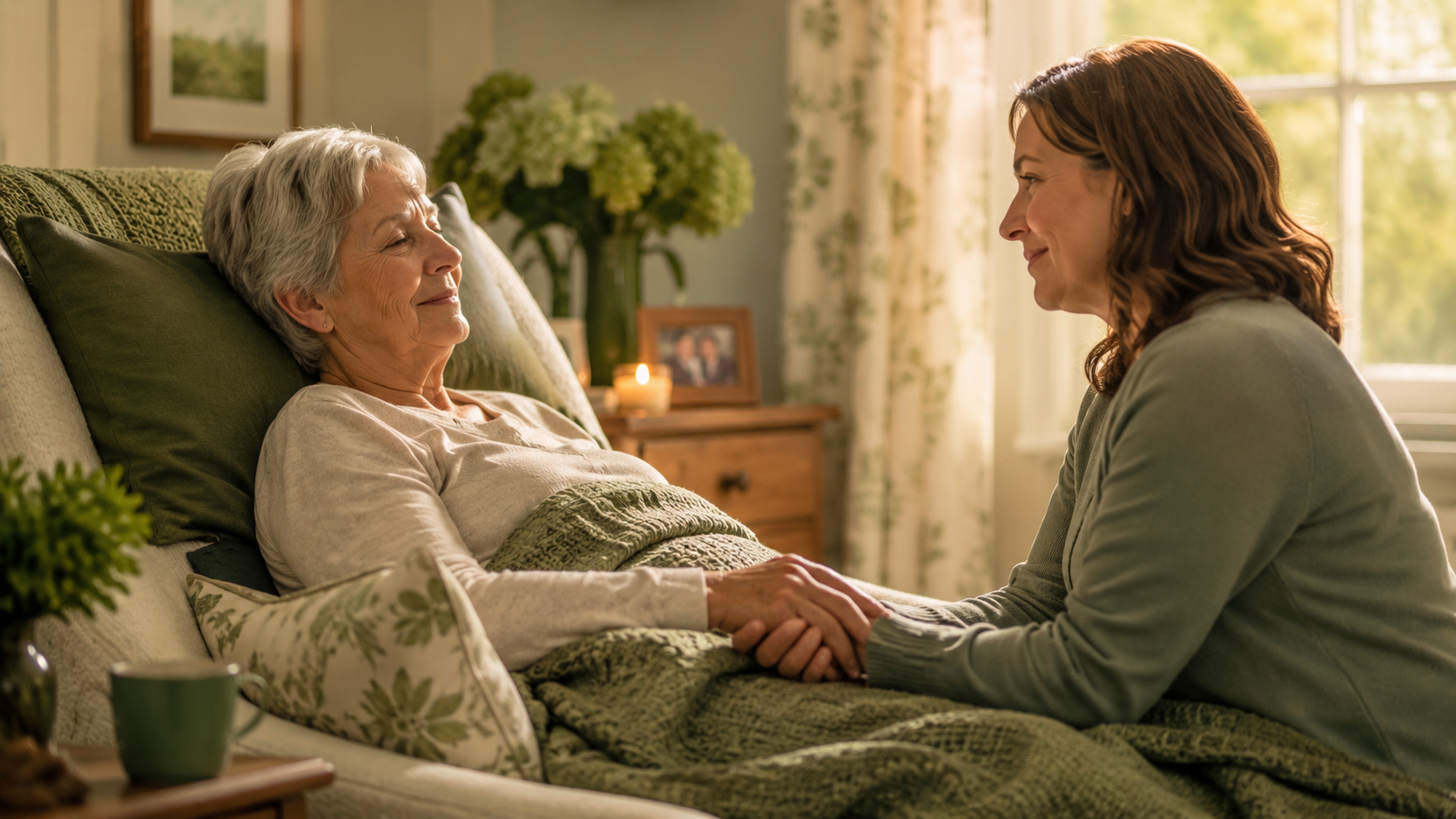
When someone is nearing the end of life, loved ones may notice moments that feel surprising, emotional, or difficult to explain. A person may appear to look toward someone who is not visible to others. They may speak to a deceased loved one, reach toward the air, smile at something in the room, or describe seeing people, places, light, animals, or familiar faces.
In hospice care, these experiences are sometimes called end-of-life visioning, deathbed visions, or end-of-life dreams and visions. For the person experiencing them, these moments may feel peaceful, meaningful, or comforting. For loved ones watching, they can bring many questions.
Is this normal? Should we correct them? Are they confused? Does it mean death is close? What should we say?
This article explains what end-of-life visioning can look like, how loved ones can respond with compassion, and when it may be important to contact the hospice team for additional support.
This article is for general educational purposes only and does not constitute medical, legal, or mental health advice. Every person’s end-of-life experience is different. If you notice sudden confusion, distress, agitation, pain, medication concerns, breathing changes, or anything that worries you, contact the hospice team or medical provider for guidance.
What Is End-of-Life Visioning?
End-of-life visioning refers to experiences some people have as they approach the end of life, where they may see, hear, speak to, or sense people, places, or images that others in the room do not see.
These experiences may happen while the person is awake, resting, drifting in and out of sleep, or dreaming. Some people describe seeing deceased loved ones. Others may speak about traveling, going home, seeing light, seeing a familiar place, or feeling that someone is waiting for them.
Sometimes the person may not describe anything clearly, but loved ones may notice a fixed gaze, a soft smile, reaching motions, or quiet conversation directed toward a part of the room. These moments may feel unusual, but they are often described in hospice and end-of-life care.
Visioning is not always frightening. In many cases, the person appears calm or comforted. The most helpful response is often to stay present, listen gently, and avoid arguing about what the person is experiencing.
What Can End-of-Life Visioning Look Like?
End-of-life visioning can look different from person to person. Some people speak clearly about what they are seeing. Others may only show small signs through their eyes, gestures, facial expression, or body language.
Loved ones may notice things such as:
- Speaking to someone who is not visible to others
- Seeing or asking for a deceased loved one
- Talking about going home, traveling, or preparing to leave
- Smiling or appearing comforted by something in the room
- Looking steadily toward a corner, doorway, ceiling, or part of the room
- Reaching toward someone or something others cannot see
- Describing a place, light, music, animals, or familiar people
- Having vivid dreams that feel meaningful or peaceful
Some people may talk about these experiences openly. Others may keep them private or mention them only once. Some may be afraid others will think they are confused. A gentle response can help them feel safe and respected.
What Is a Fixed Gaze at the End of Life?
A fixed gaze at the end of life can happen when a person appears to look intently at a certain place in the room, even when nothing obvious is there. Loved ones may describe it as staring beyond the room, looking upward, looking toward a doorway, or focusing on something no one else can see.
Sometimes a fixed gaze happens alongside visioning. The person may appear peaceful, smile softly, reach out, or speak quietly. Other times, the person may simply look in one direction and seem less engaged with the room.
A fixed gaze can feel emotional for loved ones because it may seem like the person is seeing something beyond what others can understand. The best response is usually calm presence. You can sit nearby, hold their hand if welcomed, speak softly, and let the moment unfold without forcing an explanation.
If the fixed gaze is accompanied by distress, sudden confusion, agitation, pain, breathing difficulty, or a major change that worries you, contact the hospice team.
Is Visioning the Same as Hallucination or Delirium?
Visioning, hallucinations, and delirium can sometimes look similar from the outside, but they may feel very different to the person experiencing them.
End-of-life visioning is often described as meaningful, peaceful, or comforting. The person may seem calm, reassured, or emotionally connected to what they are seeing or sensing.
Delirium, on the other hand, is a medical change in attention, awareness, and thinking. It may come on suddenly and may include agitation, fear, confusion, restlessness, disorientation, or seeing things that cause distress. Delirium can sometimes be related to infection, medications, dehydration, organ changes, uncontrolled symptoms, or other medical factors.
Loved ones do not need to diagnose what is happening. The important question is whether the person seems comfortable or distressed. If the experience is peaceful, gentle presence may be enough. If the person seems afraid, agitated, confused, unsafe, or uncomfortable, call the hospice team for guidance.
Does Visioning Mean Death Is Close?
End-of-life visioning can happen at different points. For some people, it may happen days or hours before death. For others, it may happen weeks before death, or come and go over time.
Visioning alone does not give an exact timeline. It should be understood as one possible end-of-life experience, not a precise prediction.
Hospice teams look at the full picture when helping loved ones understand what may be changing. They may consider eating and drinking changes, sleeping patterns, breathing changes, circulation changes, alertness, weakness, pain, restlessness, and the person’s overall condition.
If you notice visioning along with other changes, it is appropriate to share what you are seeing with the hospice nurse. Caregivers often notice important details that help the team better understand the person’s comfort and condition.
How Should You Respond to Someone Who Is Visioning?
The most important response is to remain calm, present, and respectful. If the person seems peaceful, there is usually no need to correct them or insist that what they are seeing is not real.
You might say:
- “That sounds comforting.”
- “Tell me about what you see.”
- “I’m here with you.”
- “You are safe.”
- “That sounds beautiful.”
- “I’m listening.”
If the person mentions a deceased loved one, you do not need to argue or explain that the person has died. You can respond gently and follow their lead.
For example, if they say, “My mother is here,” you might say, “That sounds very special,” or “I’m glad that feels comforting.” The goal is not to prove or disprove the experience. The goal is to help the person feel safe, heard, and supported.
What Should You Avoid Saying?
When someone is visioning, loved ones may feel startled and respond too quickly. A gentle approach is usually better than correcting, questioning, or dismissing the experience.
Try to avoid saying things like:
- “No one is there.”
- “That’s not real.”
- “You’re confused.”
- “Stop talking like that.”
- “Don’t say that.”
- “You’re scaring me.”
Even if you do not understand what the person is experiencing, you can still respond with care. End-of-life moments do not always need to be explained. Sometimes the most helpful thing is simply to stay close and offer calm reassurance.
What If the Vision Seems Frightening?
Not every experience is peaceful. Sometimes a person may seem afraid, restless, agitated, or upset by what they are seeing or sensing. They may appear unable to settle, pull at blankets, try to get out of bed, call out, or seem distressed.
If this happens, do not try to handle it alone. Contact the hospice team. The team can help assess whether the person may be experiencing discomfort, pain, anxiety, delirium, medication side effects, breathing changes, or another concern that may need support.
While waiting for guidance, you can use a calm voice, reduce noise, dim bright lights, limit unnecessary stimulation, and reassure the person that they are not alone. If touch is comforting to them, you may gently hold their hand. If touch seems to increase distress, give them space and stay nearby.
Distressing visions or sudden agitation should always be shared with the care team. Hospice is there to help with comfort, not only during scheduled visits but also when changes happen.
What If Loved Ones Feel Scared or Unsure?
Seeing someone vision at the end of life can bring many emotions. Some loved ones feel comforted. Some feel confused. Some feel scared because it makes death feel closer. Others feel unsure about whether to mention it or what to say.
All of those feelings are understandable. End-of-life experiences can be tender and unfamiliar, especially if this is the first time someone has witnessed them.
It may help to remember that the person may not be distressed. If they appear calm or comforted, loved ones can focus less on explaining the moment and more on being present for it.
You can also share what happened with the hospice nurse, social worker, or chaplain. They can help explain what may be normal, what to watch for, and how to respond in a way that supports comfort.
Why Listening Matters
When someone shares an end-of-life vision, they may be sharing something deeply personal. Even if the experience is not visible to anyone else, it may feel real and meaningful to them.
Listening can be a form of care. It can show the person that they are not alone, that their experience is respected, and that they can speak without being corrected or dismissed.
Some people may use visioning language to express readiness, longing, peace, fear, or transition. Others may simply be describing what they are experiencing in that moment. Either way, listening gently can help loved ones stay connected.
You do not need to have the perfect words. A quiet presence, a soft voice, and a willingness to listen can be enough.
Can Children or Other Loved Ones Be Present During Visioning?
Whether children or other loved ones should be present depends on the situation, the person’s comfort, and the child’s age, maturity, and relationship to the patient.
If the visioning is peaceful, it may not be harmful for loved ones to witness it with gentle explanation. A child might be told, “Grandpa is very sick, and sometimes people near the end of life talk about things they are seeing or remembering. We can stay calm and let him know we love him.”
If the person is distressed, agitated, or visibly uncomfortable, it may be better to reduce the number of people in the room and call the hospice team for guidance.
Hospice social workers and chaplains can help loved ones think through how to talk with children and how to support everyone in the home during end-of-life changes.
When Should You Call the Hospice Team?
You can always call the hospice team if something worries you. Even if the experience turns out to be a common end-of-life change, asking for guidance is appropriate.
Call the hospice team if you notice:
- Sudden confusion or agitation
- Fearful or distressing visions
- Pain, grimacing, moaning, or restlessness
- Difficulty breathing or new breathing concerns
- A sudden change in alertness
- Fever, signs of infection, or new discomfort
- Medication questions or concerns
- Attempts to get out of bed unsafely
- Any change that feels concerning or unfamiliar
If the person seems peaceful and comforted, you may still want to mention the visioning during the next hospice visit. These observations help the care team understand what the person is experiencing and how loved ones are coping.
How Hospice Supports End-of-Life Changes
Hospice care is designed to support patients and loved ones through physical, emotional, social, and spiritual changes near the end of life. Visioning may touch all of those areas.
The nurse can help assess comfort, medications, symptoms, and changes in condition. The social worker can support loved ones through uncertainty, fear, communication, and grief. The chaplain can provide spiritual or emotional support based on the person’s beliefs, values, and preferences. Bereavement support can continue after the person’s passing.
Hospice care does not try to make every end-of-life moment feel simple. Instead, it provides guidance, support, and presence through moments that may feel unfamiliar or deeply emotional.
When loved ones understand what they may be seeing, they often feel less afraid and more able to be present.
Frequently Asked Questions About End-of-Life Visioning
What is end-of-life visioning?
End-of-life visioning refers to experiences some people have near the end of life where they may see, hear, speak to, or sense people, places, or images that others do not see. These experiences may happen while awake, resting, or dreaming.
Is visioning common at the end of life?
End-of-life dreams, visions, and similar experiences are often described in hospice and palliative care. Not everyone experiences them, and they may look different from person to person.
Does visioning mean someone is dying soon?
Visioning can happen at different times and does not give an exact timeline. It may happen days, hours, or sometimes weeks before death. The hospice team looks at the full picture, including breathing, eating, sleeping, alertness, weakness, and overall comfort.
Should I correct someone who is visioning?
If the person seems peaceful, it is usually better not to argue or correct them. A calm response such as “That sounds comforting” or “I’m here with you” can help the person feel supported.
What is a fixed gaze at the end of life?
A fixed gaze may happen when a person appears to look steadily toward a certain place in the room, such as a doorway, ceiling, corner, or space beyond the room. Sometimes this happens alongside visioning. If the person seems distressed or suddenly confused, contact the hospice team.
Is end-of-life visioning the same as delirium?
Not always. Visioning is often described as peaceful or meaningful, while delirium may involve sudden confusion, agitation, fear, or distress. Loved ones do not need to diagnose the difference. If the person seems uncomfortable, afraid, or unsafe, call the hospice team.
What should I say when someone sees a deceased loved one?
You can respond gently without correcting them. You might say, “That sounds special,” “I’m glad that feels comforting,” or “I’m here with you.” The goal is to support comfort and connection.
What if the vision seems scary?
If the person seems afraid, agitated, restless, or distressed, call the hospice team. The team can help assess whether pain, anxiety, delirium, medication effects, breathing changes, or another concern may be affecting comfort.
Can hospice help loved ones understand visioning?
Yes. Hospice nurses, social workers, chaplains, and other team members can help loved ones understand end-of-life changes, respond with compassion, and know when to call for support.
Presence Matters More Than Perfect Words
End-of-life visioning can feel mysterious, emotional, or even beautiful. It may bring comfort to the person experiencing it, while loved ones may feel unsure about what it means.
You do not need to have the perfect explanation. You do not need to correct every word. You do not need to make sense of everything in the moment.
Often, the most meaningful response is simple: stay close, speak gently, listen with respect, and call the hospice team when you need guidance.
If someone you love is experiencing visioning or other end-of-life changes, Bristol Hospice is here to help you understand what may be happening and how to support comfort with compassion.
Learn More About Hospice Care at Bristol Hospice
Bristol Hospice provides compassionate hospice and palliative care for patients with serious illnesses across several states nationwide. If you have questions about end-of-life changes, visioning, or whether hospice care may be appropriate, contact our care team today.
You may also find these related resources helpful:
- What Is Hospice Care?
- How Do We Know When Death Is Truly Near?
- Does Hospice Care Mean Death? What Families Need to Know
- Starting Hospice Care at Home: What Families Can Expect
- Hospice Pain Management: What Families Should Know
This article is for general educational purposes only and does not constitute medical, legal, or mental health advice. If you have questions about hospice care or whether your loved one qualifies, contact us any time at 1-855-BRISTOL. We are available 24 hours a day, 7 days a week, 365 days a year.