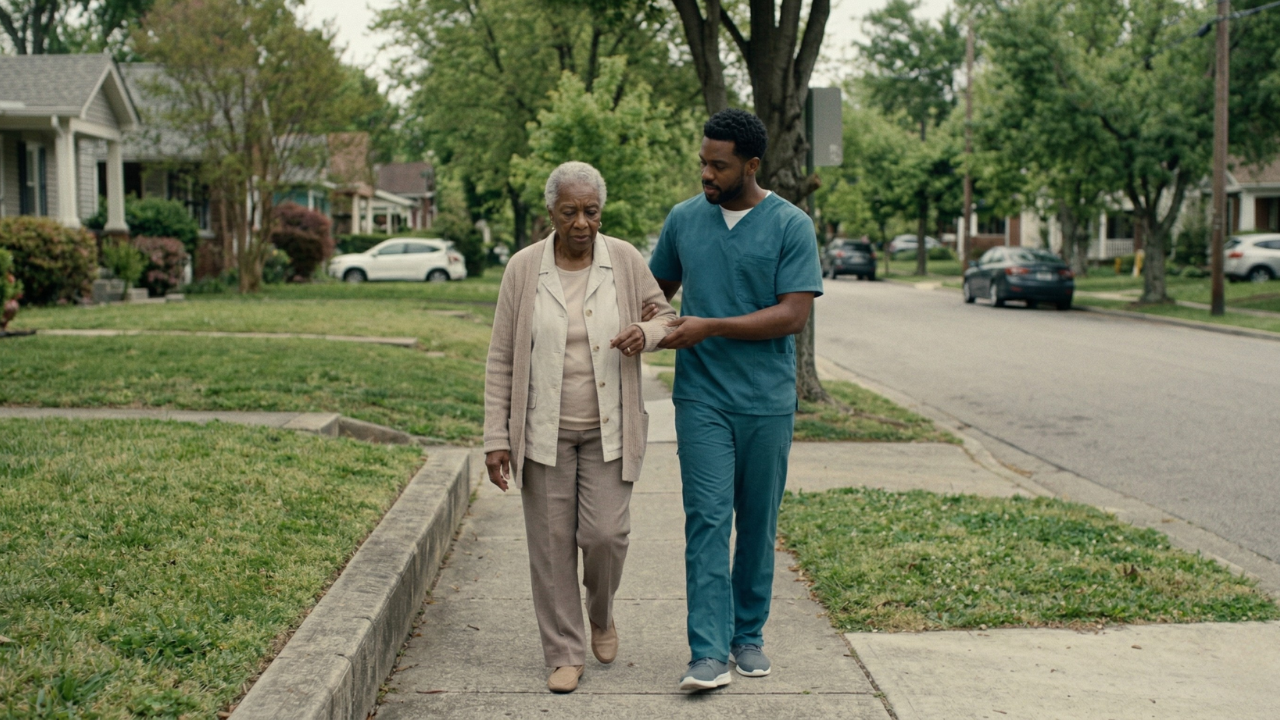
Hospice RN Jobs: What It Is Like to Be a Hospice Nurse

Hospice RN jobs are different from many other nursing roles. The work is clinical, but it is also deeply personal. Hospice registered nurses care for patients with serious illness when the focus of care has shifted toward comfort, dignity, and quality of life.
For nurses who are drawn to meaningful patient connection, family education, symptom management, and interdisciplinary teamwork, hospice nursing can be a rewarding career path. It requires strong clinical judgment, calm communication, compassion, organization, and the ability to support patients and loved ones during a difficult and important time.
This article explains what hospice nurses do, what a hospice RN role may involve, what skills are helpful, and why many registered nurses choose hospice as a long term career path.
This article is for general educational and career information only. Job responsibilities, qualifications, schedules, benefits, and available positions may vary by location, role, state requirements, and current hiring needs. Please review each open position carefully and speak with the hiring team for role specific details.
What Is a Hospice RN?
A hospice RN is a registered nurse who provides comfort focused care for patients with a life limiting illness. Instead of focusing on curative treatment, hospice nursing focuses on symptom management, education, emotional support, care coordination, and quality of life.
Hospice nurses help assess the patient’s condition, identify symptoms, communicate with physicians and the interdisciplinary team, support medication and comfort needs, and teach loved ones what to expect as an illness progresses.
The role is not only about clinical tasks. Hospice nurses often become a steady source of guidance for patients and loved ones who are navigating uncertainty, fear, grief, and difficult decisions. A hospice RN may answer questions, explain changes, help manage symptoms, and provide reassurance when loved ones feel unsure of what to do next.
What Do Hospice Nurses Do?
Hospice nurses support patients and loved ones through ongoing assessment, care planning, symptom management, education, and coordination with the hospice team.
A hospice RN may help assess pain, breathing changes, anxiety, nausea, restlessness, skin concerns, weakness, appetite changes, medication needs, safety concerns, and other symptoms related to the patient’s condition. The nurse communicates with the hospice physician or medical director when changes are needed and helps update the plan of care as the patient’s needs change.
Hospice nurses also provide education. Loved ones may need help understanding medications, what symptoms mean, when to call the hospice team, how to support comfort, and what changes may happen as the illness progresses. Education is one of the most important parts of hospice nursing because it helps loved ones feel less alone and more prepared.
In many cases, the hospice RN also helps coordinate supplies, equipment, care team visits, and communication between the patient, loved ones, physicians, facility staff when applicable, and other members of the hospice team.
What Types of Hospice RN Jobs Are There?
Hospice nursing can include several different career paths. The right fit depends on the nurse’s experience, interests, schedule preferences, and strengths.
An RN Case Manager often provides ongoing nursing support for a group of hospice patients. This may include scheduled visits, symptom assessment, medication coordination, care planning, caregiver education, and communication with the interdisciplinary team.
An Admissions RN helps patients and loved ones transition into hospice care. This role may include explaining hospice services, completing assessments, reviewing eligibility information, answering questions, and helping the patient and loved ones understand the beginning of care.
An On Call RN may provide after hours clinical guidance and support when symptoms change, questions arise, or urgent needs happen outside regular business hours. This role requires calm decision making, strong communication, and the ability to respond to changing situations.
Hospice RNs may also move into leadership, quality, education, clinical management, or specialized support roles over time. Hospice nursing can offer several paths for registered nurses who want to grow within end of life care.
What Makes Hospice Nursing Different?
Hospice nursing is different because the goal of care is comfort. The nurse is not only responding to a diagnosis or a set of symptoms. The nurse is caring for the whole person, including their physical comfort, emotional needs, personal wishes, family dynamics, spiritual concerns, and daily environment.
Hospice nurses often spend meaningful time educating loved ones. In other care settings, nurses may see patients during a short appointment, hospital stay, or procedure. In hospice, nurses often support patients and loved ones over time, helping them understand changes and prepare for what may come next.
This work requires clinical skill, but it also requires presence. A hospice nurse may need to explain medications in simple terms, notice subtle changes in condition, comfort an anxious loved one, advocate for the patient’s goals, and communicate clearly with the rest of the care team.
For many nurses, the meaningful part of hospice work is the ability to provide care that feels deeply human.
What Skills Are Important for Hospice RN Jobs?
Hospice RN jobs require both clinical and communication skills. Because hospice care often happens at home or in community settings, nurses need to feel comfortable working independently while staying connected to the interdisciplinary team.
Helpful skills for hospice nursing may include:
- Strong clinical assessment skills
- Comfort with pain and symptom management
- Clear communication with patients, loved ones, and care teams
- Compassionate education and emotional support
- Organization and documentation skills
- Ability to adapt when symptoms or care needs change
- Respect for patient goals, values, and dignity
- Comfort working as part of an interdisciplinary team
- Calm decision making in emotional situations
- Understanding of hospice philosophy and end of life care
A hospice nurse does not need to have every answer immediately. The role is supported by physicians, clinical leaders, social workers, chaplains, aides, and other team members. But strong hospice nurses are curious, thoughtful, steady, and willing to keep learning.
Is Hospice Nursing Emotionally Difficult?
Hospice nursing can be emotionally meaningful and emotionally challenging. Nurses are supporting patients and loved ones during a vulnerable stage of life. That can carry weight.
At the same time, many hospice nurses describe the work as purposeful. The nurse has the opportunity to help patients feel more comfortable, help loved ones feel more supported, and bring clarity during a time that can otherwise feel overwhelming.
Emotional strength in hospice nursing does not mean being unaffected. It means having compassion, healthy boundaries, support from the team, and the ability to remain present with patients and loved ones.
For nurses who value relationship based care, hospice can be a place where clinical skill and compassion meet in a powerful way.
What Is a Typical Day Like for a Hospice RN?
A typical day for a hospice RN may vary depending on the role. An RN Case Manager may start the day reviewing patient updates, checking messages, planning visits, and coordinating with the hospice team. Visits may include assessing symptoms, reviewing medications, educating caregivers, documenting changes, and communicating with physicians or other team members when needed.
An Admissions RN may spend the day meeting with patients and loved ones who are considering hospice or beginning care. This may involve explaining hospice, answering questions, completing assessments, coordinating paperwork, and helping make the transition into care feel less overwhelming.
An On Call RN may respond to urgent questions, symptoms, or changes in condition after hours. This role may include phone guidance, coordination with the care team, and visits when appropriate based on the patient’s needs and the role requirements.
No two days are exactly the same. Hospice nurses need flexibility, good communication, and the ability to prioritize patient comfort and safety.
How Do Hospice Nurses Work With the Care Team?
Hospice care is built around an interdisciplinary team. The RN is an important part of that team, but hospice care is not provided by the nurse alone.
The hospice team may include physicians, nurses, hospice aides, social workers, chaplains, volunteers, bereavement professionals, and other team members depending on the patient’s needs. Each person brings a different kind of support.
The RN often plays a key role in communication. Nurses may report changes in symptoms, request medication updates, coordinate equipment or supplies, communicate caregiver concerns, and help make sure the plan of care reflects the patient’s current needs.
This team approach helps support the whole person, not only the diagnosis.
What Qualifications Are Needed for Hospice RN Jobs?
Hospice RN qualifications vary by position, state, and employer. In general, hospice RN roles require an active registered nurse license in the state where the nurse will practice. Many roles also require clinical experience, a valid driver’s license, reliable transportation, and comfort providing care in home or community settings.
Some hospice RN positions may prefer or require previous hospice, home health, medical surgical, oncology, critical care, geriatric, or community health experience. Requirements can vary by location and role.
Some nurses may also choose to pursue hospice and palliative nursing certification once they have experience in the field. Certification is not always required for every role, but it can reflect a nurse’s commitment to specialized hospice and palliative care knowledge.
Anyone interested in a specific hospice RN job should review the job posting carefully to understand the qualifications, schedule, location, and role expectations.
Why Do Nurses Choose Hospice?
Nurses choose hospice for many reasons. Some are drawn to the patient connection. Some value the opportunity to support comfort and dignity. Some want to work more closely with loved ones and the full care team. Others are looking for a nursing role that feels personal, meaningful, and mission driven.
Hospice nursing can give nurses the opportunity to slow down enough to understand what matters to the patient. That may include comfort, being at home, spending time with loved ones, honoring spiritual beliefs, managing symptoms, or supporting a peaceful environment.
The work can be challenging, but it can also be deeply rewarding. Hospice nurses often make a lasting difference in one of the most meaningful chapters of a patient’s life.
How Hospice Nursing Supports Patients and Loved Ones
Hospice nursing is centered on support. For the patient, that may mean pain and symptom management, comfort focused care, education, and respect for personal wishes. For loved ones, it may mean guidance, reassurance, and help understanding what is happening.
Loved ones often remember the nurse who explained a change clearly, answered a call calmly, noticed discomfort, adjusted the plan of care, or simply sat with compassion during a difficult moment.
This is why hospice nursing requires more than technical ability. It requires the ability to communicate with gentleness, listen carefully, and provide care that honors both clinical needs and human dignity.
Hospice RN Careers at Bristol Hospice
At Bristol Hospice, registered nurses are an important part of our mission to provide care that is centered on comfort, compassion, and dignity. Our nurses support patients and loved ones through clinical assessment, symptom management, education, care coordination, and meaningful presence.
Hospice RN roles may include case management, admissions, on call support, and other clinical pathways depending on current openings and location. Each role supports the larger goal of helping patients receive individualized care during a serious illness.
For nurses who want to bring clinical skill and compassion together, hospice can be a meaningful place to grow. Bristol Hospice looks for team members who care deeply, communicate clearly, and understand the importance of supporting patients and loved ones with respect.
Frequently Asked Questions About Hospice RN Jobs
What does a hospice RN do?
A hospice RN provides comfort focused nursing care for patients with serious illness. This may include symptom assessment, medication coordination, caregiver education, care planning, communication with physicians, and support for patients and loved ones.
What is an RN Case Manager in hospice?
An RN Case Manager usually provides ongoing nursing support for a group of hospice patients. The role may include scheduled visits, symptom management, medication review, documentation, caregiver education, and coordination with the interdisciplinary hospice team.
What is a hospice Admissions RN?
A hospice Admissions RN helps patients and loved ones begin hospice care. This may include explaining hospice services, completing assessments, answering questions, coordinating admission details, and helping make the transition into care clear and compassionate.
Is hospice nursing only about end of life care?
Hospice nursing focuses on comfort and quality of life for patients with a life limiting illness. While hospice often supports patients near the end of life, the role includes much more than final moments. Hospice nurses provide ongoing assessment, education, symptom management, and support over time.
Do hospice nurses work in patients’ homes?
Many hospice nurses provide care wherever the patient calls home. This may include a private residence, assisted living community, memory care community, skilled nursing facility, or another care setting.
What skills are important for hospice nurses?
Important hospice nursing skills include clinical assessment, communication, symptom management, caregiver education, organization, documentation, emotional presence, and the ability to work well with an interdisciplinary team.
Do hospice RN jobs require hospice experience?
Requirements vary by role and location. Some hospice RN jobs may prefer previous hospice, home health, oncology, geriatric, medical surgical, or community health experience. Candidates should review each job posting for specific requirements.
Is hospice nursing emotionally hard?
Hospice nursing can be emotionally challenging, but many nurses also find it deeply meaningful. The role allows nurses to support comfort, dignity, and connection during an important stage of life.
Where can I find hospice RN jobs at Bristol Hospice?
You can view current opportunities on the Bristol Hospice careers page. Open roles, requirements, schedules, and locations may vary based on current hiring needs.
A Meaningful Career in Comfort Focused Care
Hospice RN jobs are built around clinical skill, compassion, and presence. The work requires strong nursing judgment, but it also requires the ability to listen, educate, reassure, and support people during a vulnerable time.
For registered nurses who want their work to feel personal and meaningful, hospice can offer a powerful career path. Every visit, every conversation, and every moment of comfort can make a difference.
If you are interested in hospice nursing, Bristol Hospice invites you to explore current RN opportunities and learn more about how our teams support patients and loved ones across the communities we serve.
Explore Hospice Nursing Careers at Bristol Hospice
Bristol Hospice offers career opportunities for registered nurses and other compassionate professionals who want to make a meaningful difference in end of life care. If you are interested in hospice RN jobs, learn more about registered nurse careers at Bristol Hospice or visit our careers page to explore current openings.
You may also find these related career resources helpful:
- Registered Nurse Careers at Bristol Hospice
- Careers at Bristol Hospice
- Certified Nursing Assistant Careers at Bristol Hospice
- Hospice Liaison Jobs at Bristol Hospice
This article is for general career information only. Job responsibilities, qualifications, schedules, benefits, and available positions may vary by location, role, state requirements, and current hiring needs. Please review current job postings and speak with the hiring team for role specific details.