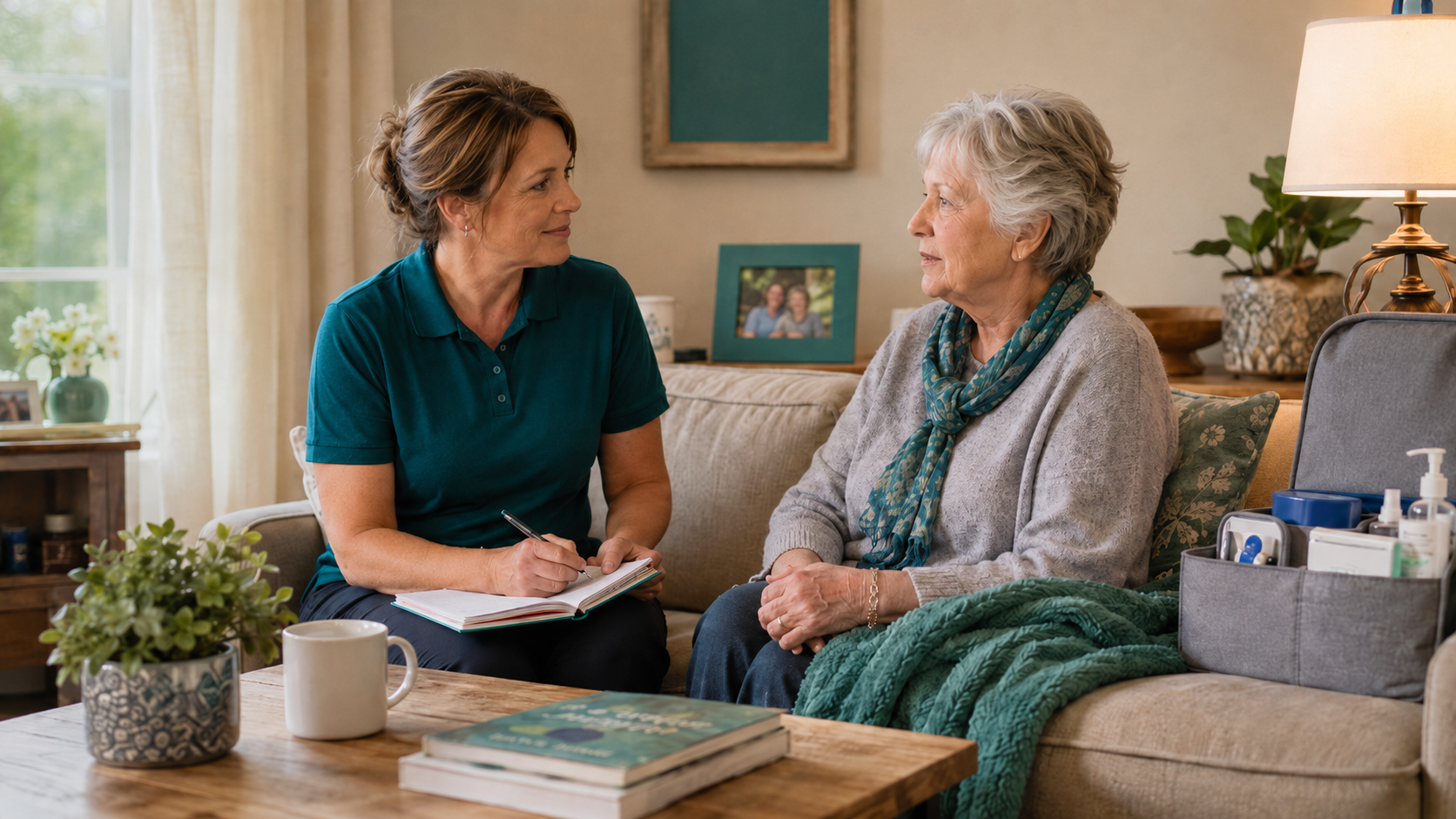
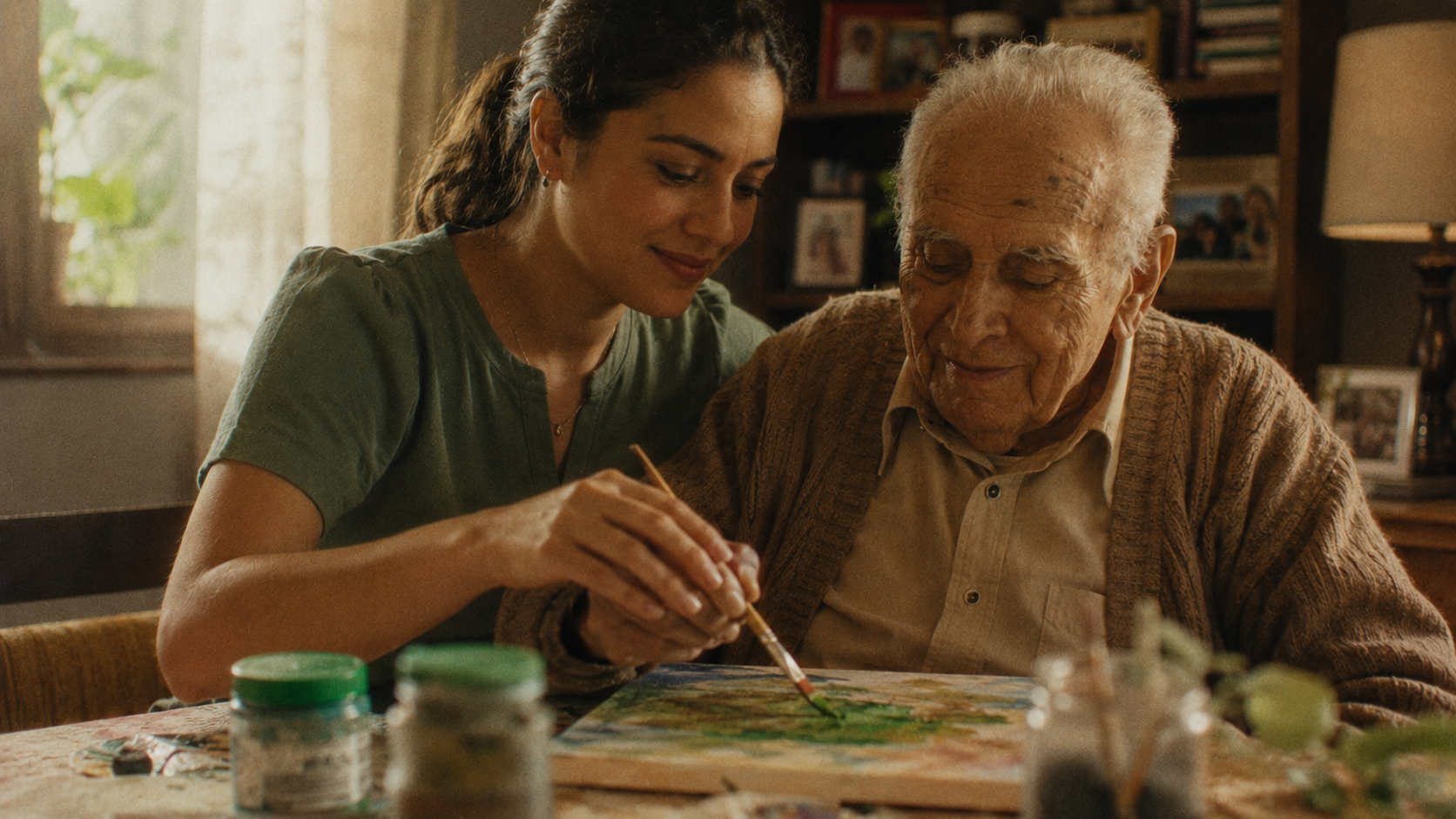
Many people feel called to volunteer in hospice but wonder if they have the right experience, words, schedule, or emotional readiness. Bristol Hospice explains what to know before becoming a hospice volunteer and why small moments can make a meaningful difference.
Understanding the Actively Dying Phase
When someone you love is approaching the end of life, the uncertainty can be one of the hardest parts. Families often ask the same questions quietly and urgently. How will I know? What is normal? Are they in pain? Am I missing something I should be doing?
The actively dying phase is the final stage of life. It usually lasts a few hours to a few days, though in rare cases it may last longer. Understanding what happens during this time can help reduce fear and allow families to stay grounded, present, and focused on comfort.
This stage looks different for every person, but there are common changes that many families notice.
Becoming Mostly Unconscious
One of the first changes families often see is a decrease in awareness. A person who is actively dying is usually mostly unconscious. They may not respond to voices, touch, or movement. Even if their eyes are open or partially open, they are not focusing or aware of what is happening around them.
This can feel unsettling, especially when the eyes remain open. At the end of life, the muscles that normally keep the eyelids closed relax. The same is true for the jaw, which often falls open. These changes are not signs of discomfort. They are a natural part of the body letting go.
The person is not aware of how they look, and they are not distressed by these changes.
Eating and Drinking Stop
Another common change is that the person will stop eating and drinking. This can be very hard for families to witness, because feeding is such a deep expression of love and care.
At the end of life, the body no longer needs or wants food or fluids. Forcing food or drink at this stage can actually cause discomfort. What does help is keeping the mouth moist. Gently moistening the lips, tongue, and gums with a sponge or damp cloth can relieve dryness and bring comfort.
Breathing Changes
Breathing almost always looks different during the actively dying phase. It may become shallow, irregular, or follow a pattern that includes pauses between breaths. Sometimes breathing becomes rhythmic in a way families have never seen before.
These changes are not signs of suffocation or pain. They happen because the body is slowly shutting down and the chemical balance of the blood is changing. Even though breathing may look unusual, the person is not struggling.
Terminal Secretions
Many families notice a gurgling sound with breathing, often called terminal secretions or the death rattle. This sound occurs because the body continues to produce saliva, but the brain no longer triggers the automatic swallow reflex.
Saliva collects in the back of the throat, and air moving through it creates the sound. While it can be distressing to hear, it is not distressing to the person who is dying. They are unaware of it.
Simple positioning, such as gently turning the person on their side or raising the head of the bed, can help reduce the sound. In some cases, medications are used to dry up secretions.
Signs of Comfort or Discomfort
People who are dying still show discomfort through physical cues. Restlessness, tension, grimacing, or furrowed brows can indicate distress. A relaxed face, soft expression, and calm body usually indicate comfort.
At the end of life, caregivers rely on these nonverbal cues rather than verbal communication.
Changes in Skin Color and Temperature
Circulation slows as the body shuts down. Skin may appear mottled or take on purple, blue, or gray tones, especially in the hands and feet. Temperature regulation also weakens. A person may feel cool to the touch while appearing flushed, or they may develop a fever.
Cooling cloths placed on the forehead or behind the knees can offer comfort.
Presence Matters Most
Every death is different. Sometimes the transition into the actively dying phase happens gradually, giving families time to adjust. Other times it happens suddenly, which can feel frightening.
When these changes appear, the instinct is often to panic or rush to do something. In reality, the most important thing you can do is simply be there. Keeping your loved one clean, safe, and comfortable is enough. If they look peaceful, there is no need to intervene.
Presence matters more than action.
A Gentle Reminder
This information is shared for educational and supportive purposes. Learning what the end of life process can look like often helps people feel more prepared and less afraid. While every journey is unique, understanding these signs allows families to stay grounded and present during a deeply human moment.
If you are walking alongside someone at the end of life, know that your presence, calm, and love are meaningful. You are not doing nothing. You are doing what matters most.